
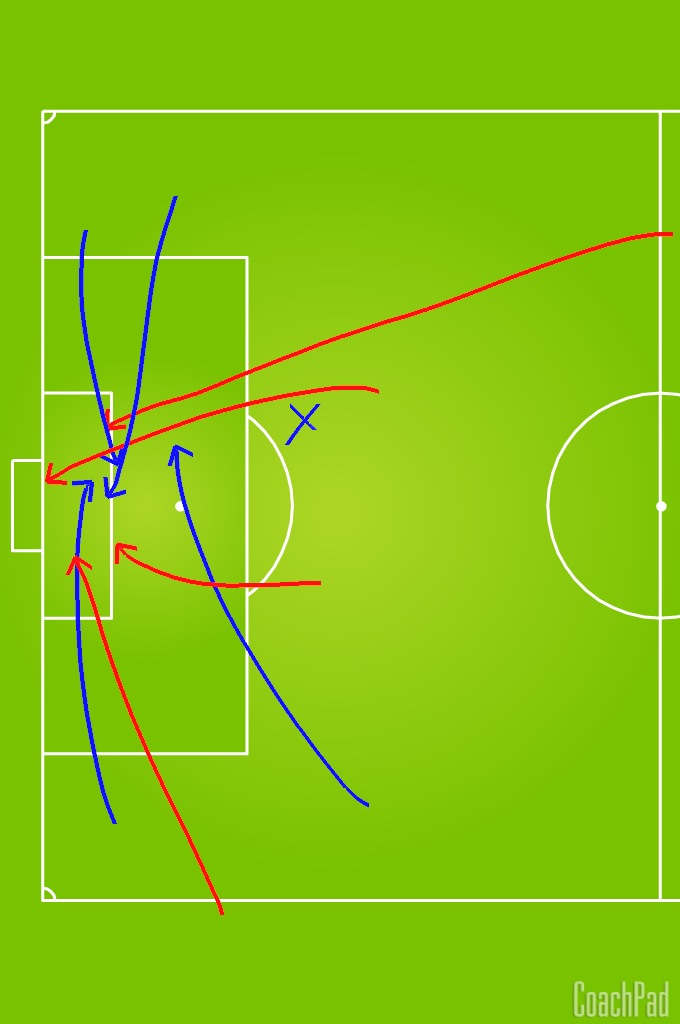
As our league campaign takes a natural break for our first cup match of the season, this seems a natural juncture to have a look at how things have gone so far. Our defence has already had lots of attention, not least because of our well documented problems fielding a settled back four. In particular, the way Wrexham concede, and how that has changed as the season has progressed, is rather interesting.
I’ve already written about how it feels like we’re vulnerable from set pieces, but the figures don’t necessarily back that theory up. 5 out of the 23 goals we’ve conceded this season have come from set plays, but a closer look suggests we’re improving in this regard.
In the diagrams below, you can see where each goal assist came from. Blue arrows are passes played in open play, red are from set pieces.
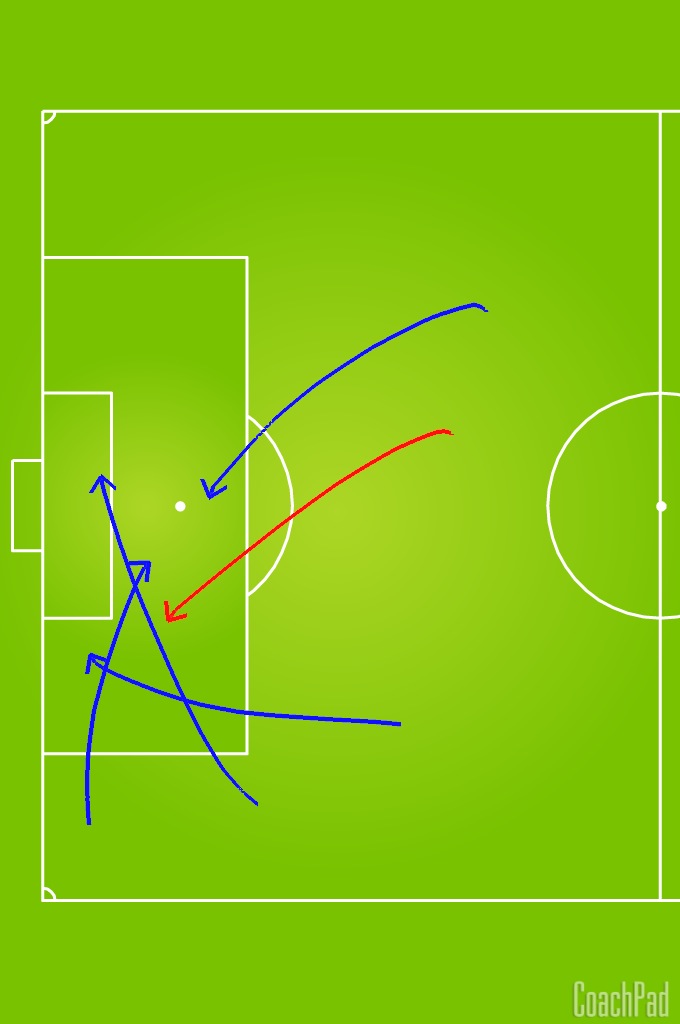
Goals seem to come from the flanks at The Racecourse: 4 from the left wing, 3 from the right, one down the middle plus Mayebi’s howler against Cambridge.
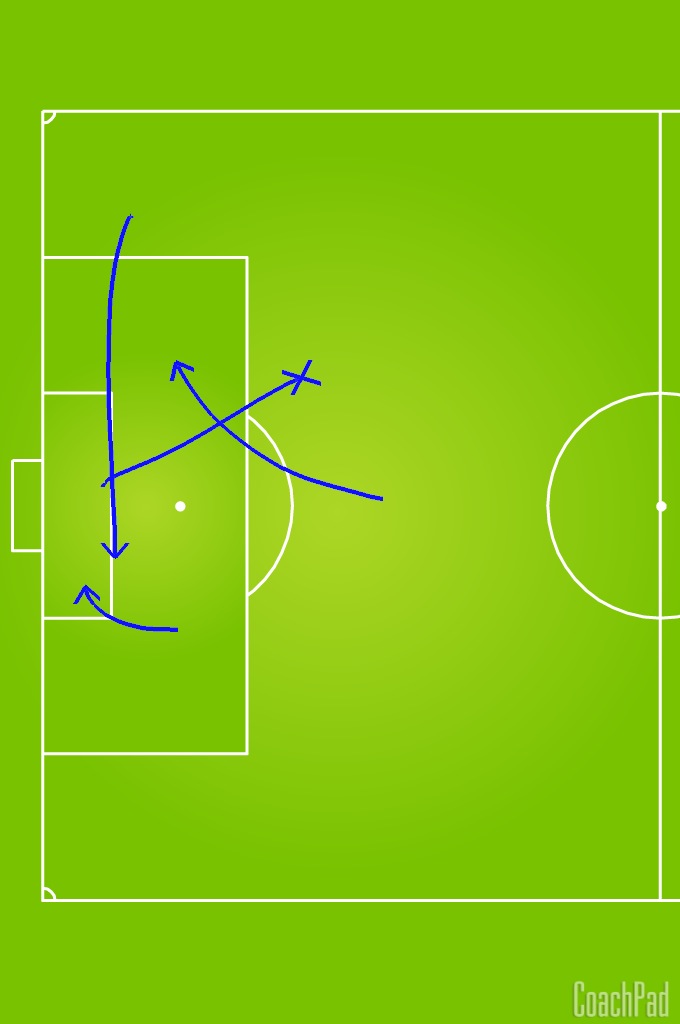
Chester are the only side to score a set piece at The Racecourse this season: it’s been in away games that we’ve been more vulnerable.
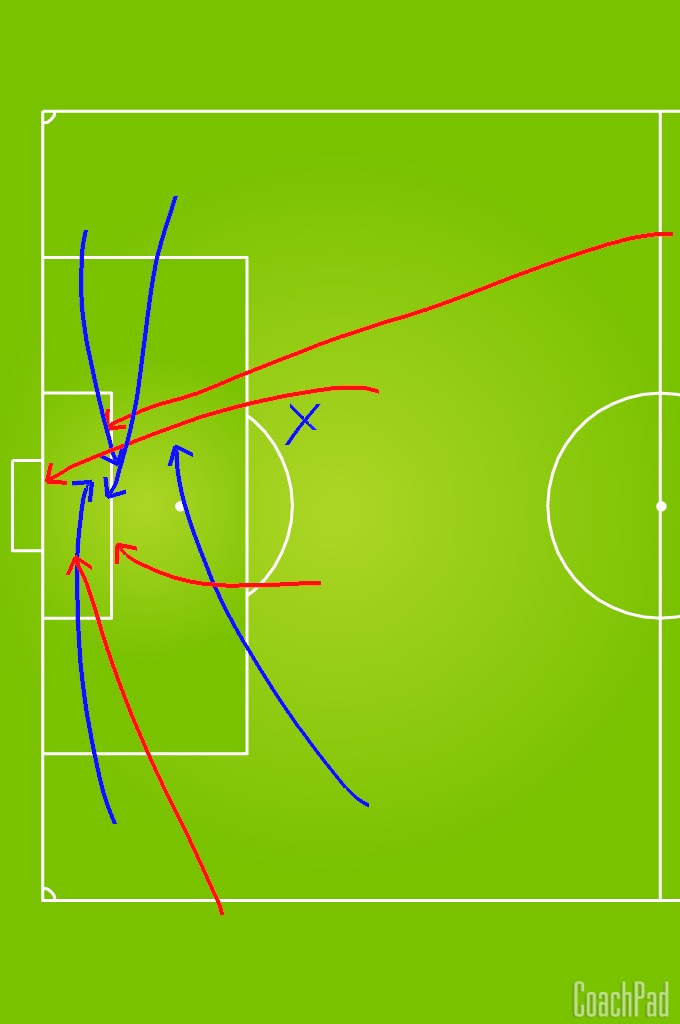
As you can see, in the first half of the season we were very vulnerable to conceding goals from set plays. In that time goals were spread very evenly: three conceded from each flank and through the middle. That’s changed in recent away games though, as we’ve conceded predominantly from the left wing (the exception was when Joe Clarke was caught in possession at Aldershot).
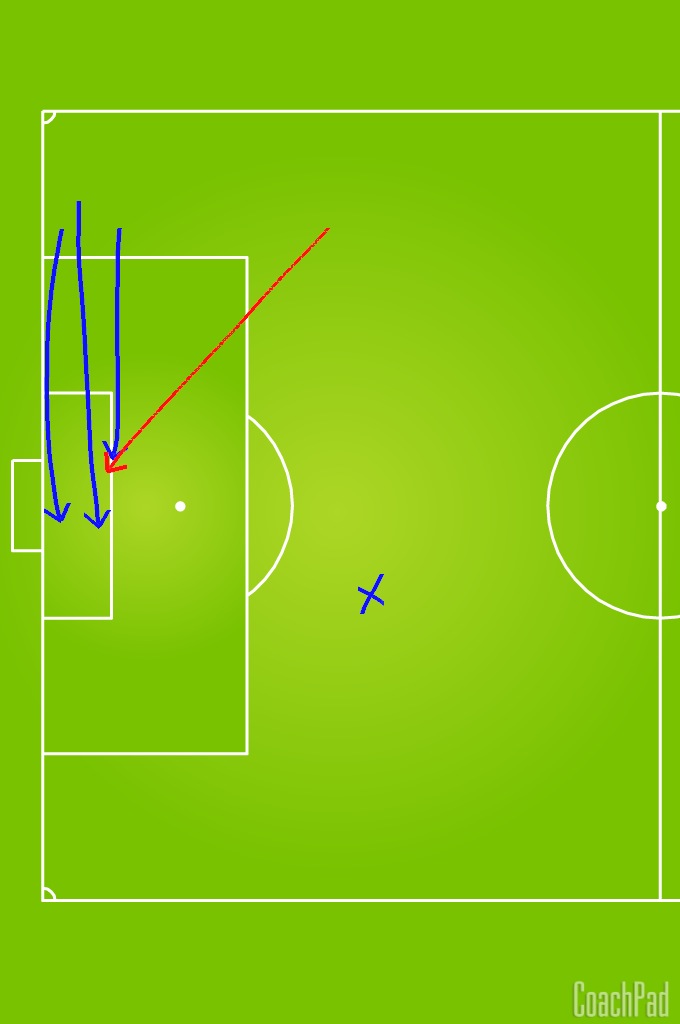
In more recent matches we’ve tightened up on set plays in away games. In our last four games on the road the only set piece we conceded was Salisbury’s fluke winner.
Also, it ought to be noted that we have become a lot more solid in defence: in the first half of the campaign we conceded 14, but in our last eight we’ve let in 9.
So what conclusions can we draw from all this? It’s tricky to look for patterns when the defence has chopped and changed so much, but an obvious point is that David Artell has had a major impact, not only in the decrease in goals conceded, but also our ability to repel set pieces.
Andy Coughlin’s introduction into the side is also a factor, and it’s interesting to consider why. The received wisdom has been that Mayebi dominates the box while Coughlin doesn’t: if that’s the case, it isn’t hurting us. However, the fact that individual errors from the goalkeeper haven’t troubled us in the last four games clearly has been to our advantage.
As for the vulnerability down the left in away games, might that be a consequence of often using Brett Ormerod or Theo Bailey-Jones in the advanced position on that wing? It would be interesting to track the positions of the player in front of Neil Ashton or Johnny Hunt for those goals, but I’m off to the Hyde match now. Maybe tomorrow!




Leave a Reply