

Wednesday’s game was already an important one, despite the early stage of the season. It shouldn’t have been, but the outcome certainly felt massive!
The reason is last Friday’s first league defeat of the season. We went into it level on points with Birmingham City, but we were the glass half full side, while The Blues’ fans were rather miserable about their two-point tally.
By the end of the game, their cup was overflowing and ours, if the hysterical reaction was to be believed, had been struck by a small thermos-nuclear device and incinerated on the spot.
Jay Stansfield shot over a virtual open goal. He didn’t hit the ball like the £15 million striker he is; he struck it like a striker who hasn’t scored an away goal in open play since the season before last, which he also is.
Please don’t get me wrong. It wasn’t a good performance. It also wasn’t the end-of-the-world-as-we-know-it affair that many seemed to think it was though.
As often happens, there were key moments which, had they gone our way, would have led to a very different outcome, as I outlined in the Final Whistle.
To be fair, there were also moments which could have made matters much worse. City should have scored before they took the lead, as a corner was cleared off the line by Ollie Rathbone, or rather the side of his face as he knew little about it.
They certainly should have doubled their lead when Jay Stansfield shot over a virtual open goal. He didn’t hit the ball like the £15 million striker he is; he struck it like a striker who hasn’t scored an away goal in open play since the season before last, which he also is.

So, City could have been out of sight by half time, but they weren’t. It brought back vague memories of our match at Cardiff a fortnight earlier, when our profligacy allowed The Bluebirds to snatch an undeserved point.
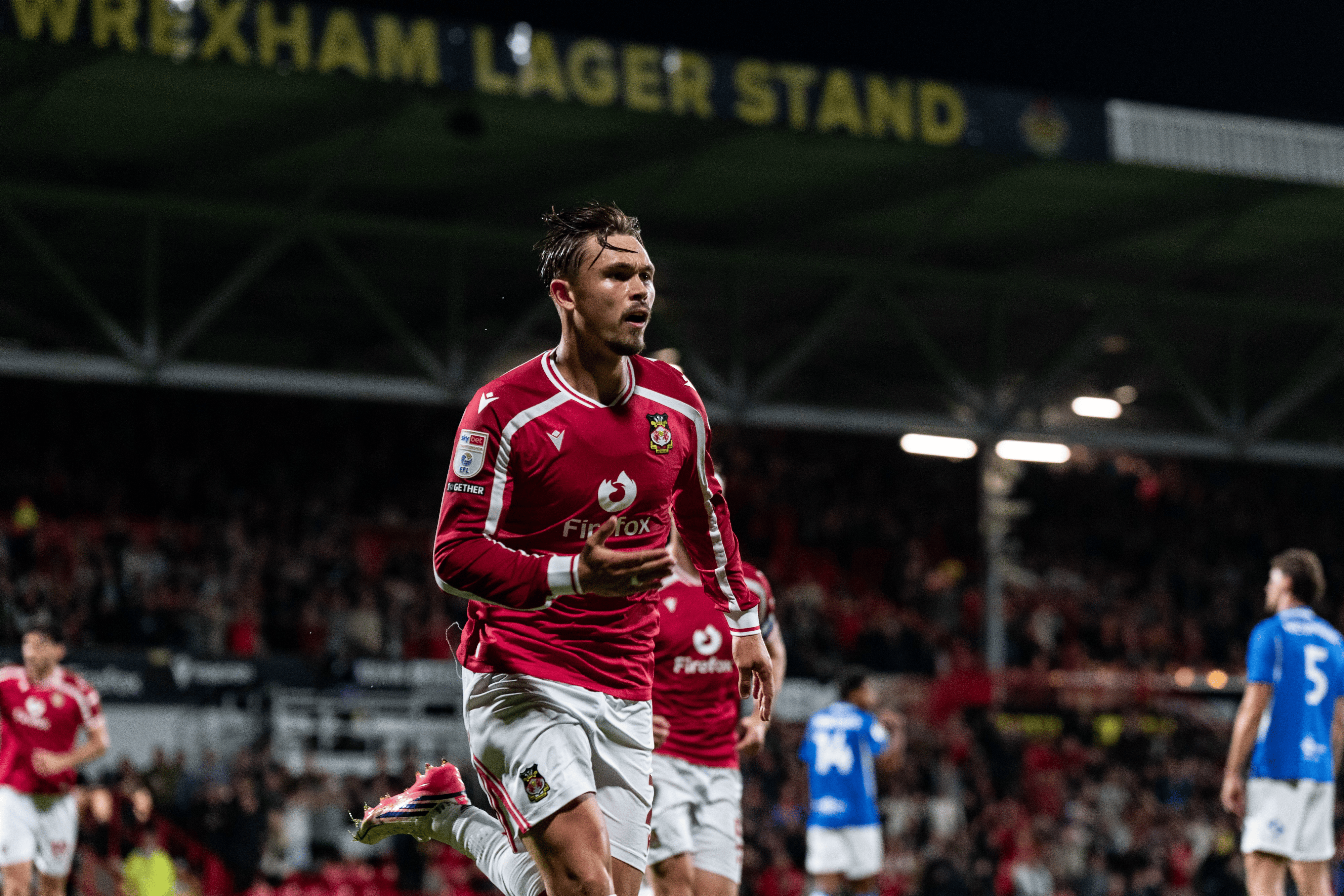
Could we do the same? It looked like we’d go one further when we started the second half on top, equalised and had the momentum on our side.
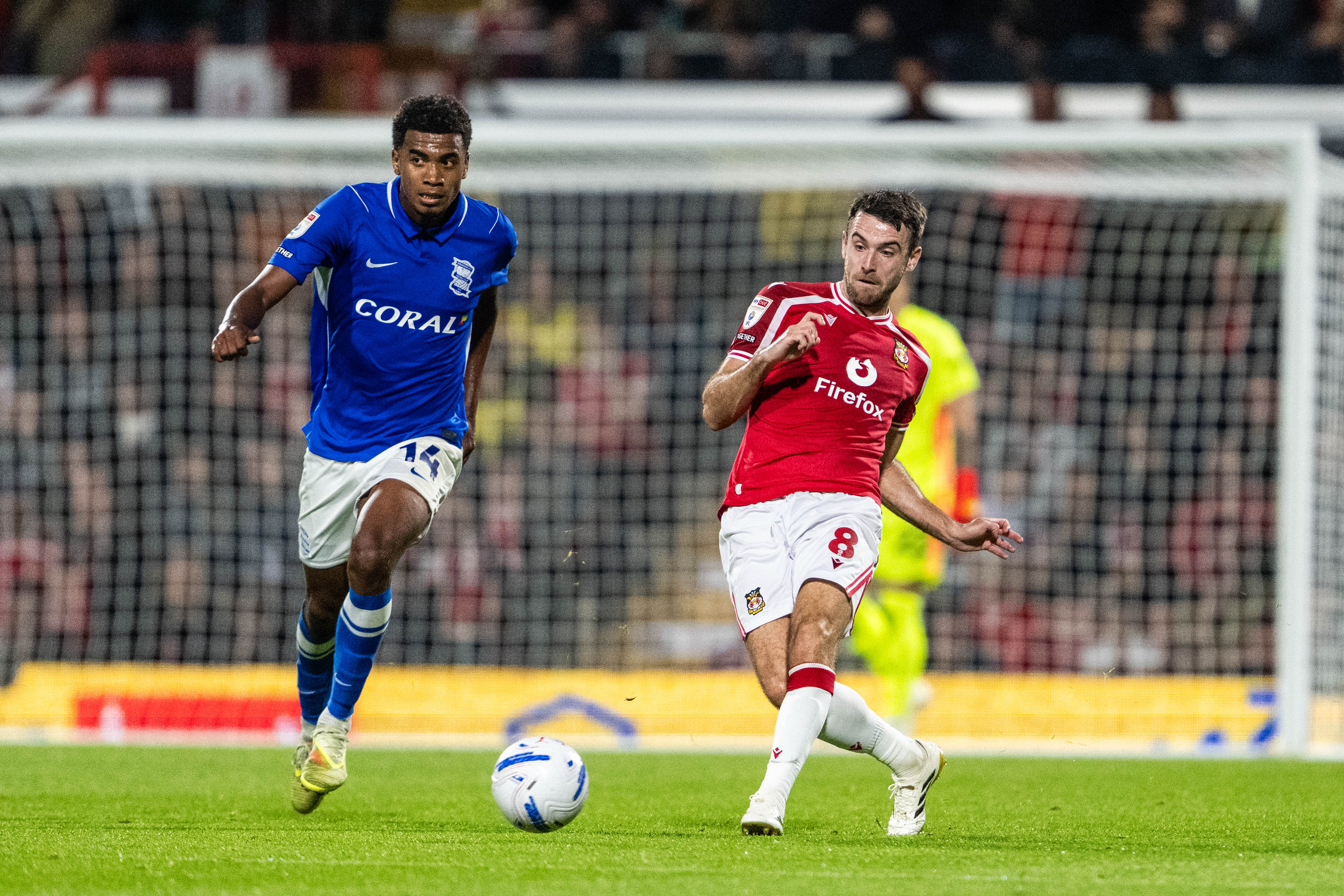
However, we conceded a sloppy goal just when we were looking the more likely victors and found it difficult to get our momentum going again for a while.
That goal was one of the turning points: the other came when James Beadle pulled off an outrageous double save, denying Kieffer Moore’s header and then getting just enough on the ball to rob Sam Smith’s point blank follow-up of the required momentum to cross the line.

The opposition goalkeeper having a moment of genius is part of football: the cruel irony is that Moore’s header struck the hand of Birmingham’s full back Bright Osayi-Samuel.
Nobody noticed on the pitch or in the crowd, nobody asked for it, but the TV replay caught it perfectly, while photographs of the incident illustrate that his arm was not in a natural position.


It was accidental, but that’s no longer relevant: if VAR had been in operation it surely would have pulled play back and awarded us a penalty.
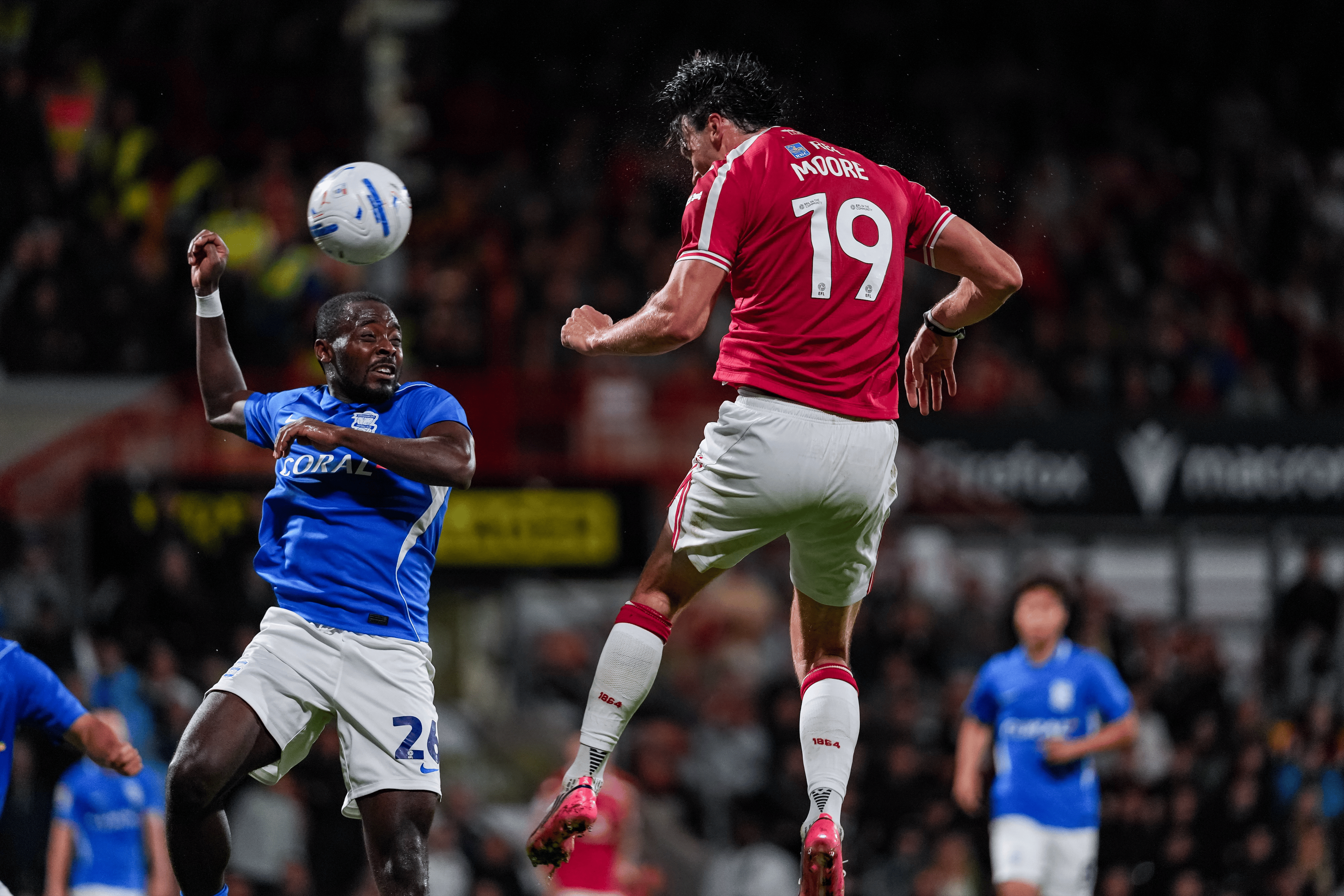
It was a massive turning point, but I don’t feel wronged by the failure to award a spot kick. After all, if nobody spotted it, how can we expect the referee to?
It doesn’t change the fact that City deserved to win, or that we struggled to meet our previous levels, especially in the first half. However, football turns on the small things and if one of those key moments had gone our way we’d have been pushing for a winner late on, not an equaliser.
The clickbait around Parkinson, suggesting he was “under pressure” was a joke but also inevitable in an era where reality matters less than spite.
Complaints about Wrexham’s performance and calls for everything to be pulled down and begun again forget one crucial fact: it takes two sides to make a game of football.
We under-achieved because Birmingham dictated the nature of the game with a well-conceived game plan.
Chris Davies, their manager, is a thoughtful strategist. There were times last season when he seemed too theoretical, substituting concepts for practicality. Perhaps he will lapse back into such an ineffective approach, but his thinking at the start of this season has been clear and successful.
Last season their away form was poor, and he has looked to address that as a priority. It was evident in their first league away game of the season at Shefield United.
Perhaps they were a little too cautious in the first half, feeling their way into the match, but after the break they were dominant.
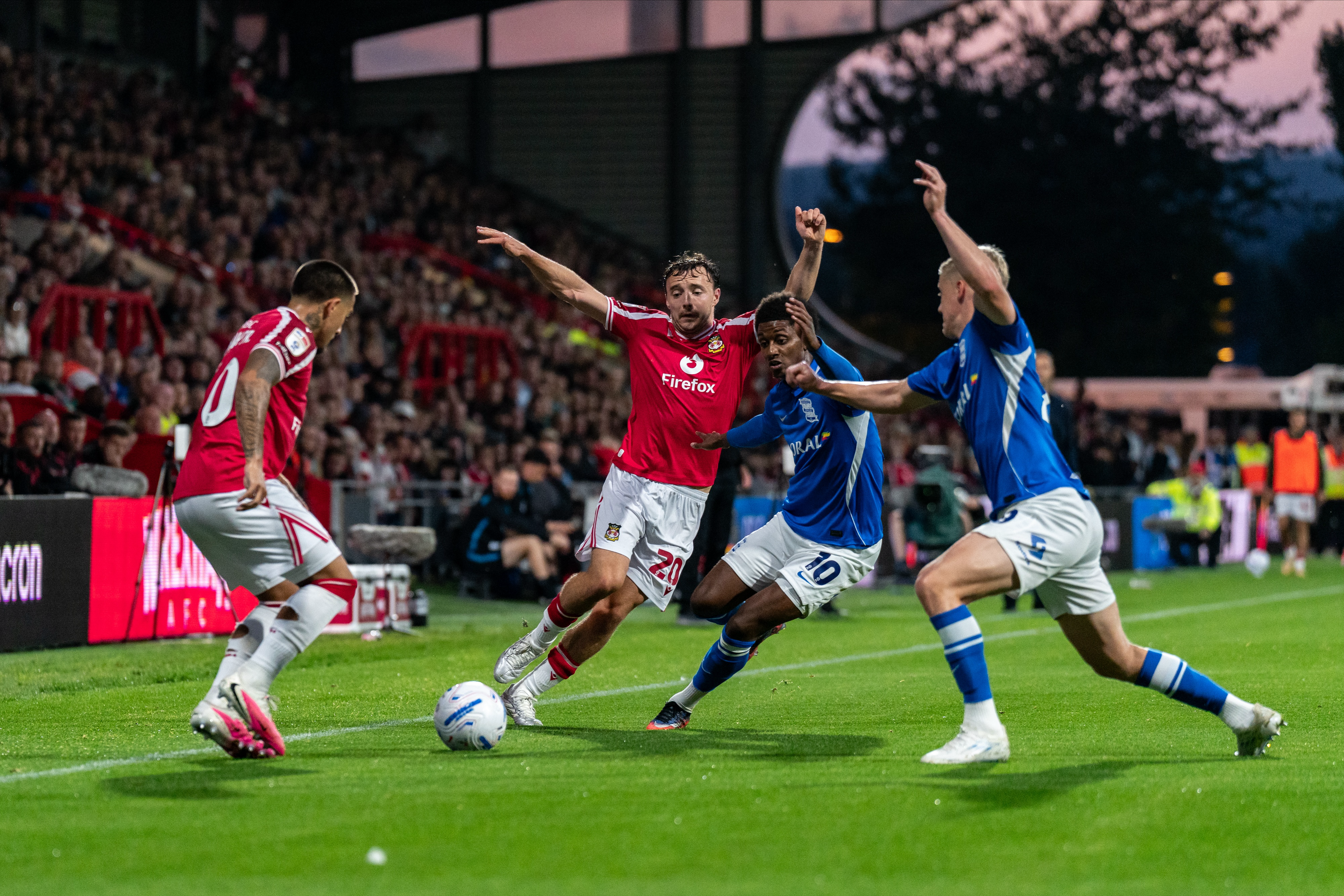
They focussed heavily on their shape without the ball, ensuring they were difficult to play through, especially through the centre of the pitch. Even when they had the ball, they ensured their rest defence was compact so counter-attacks were difficult to launch against them.
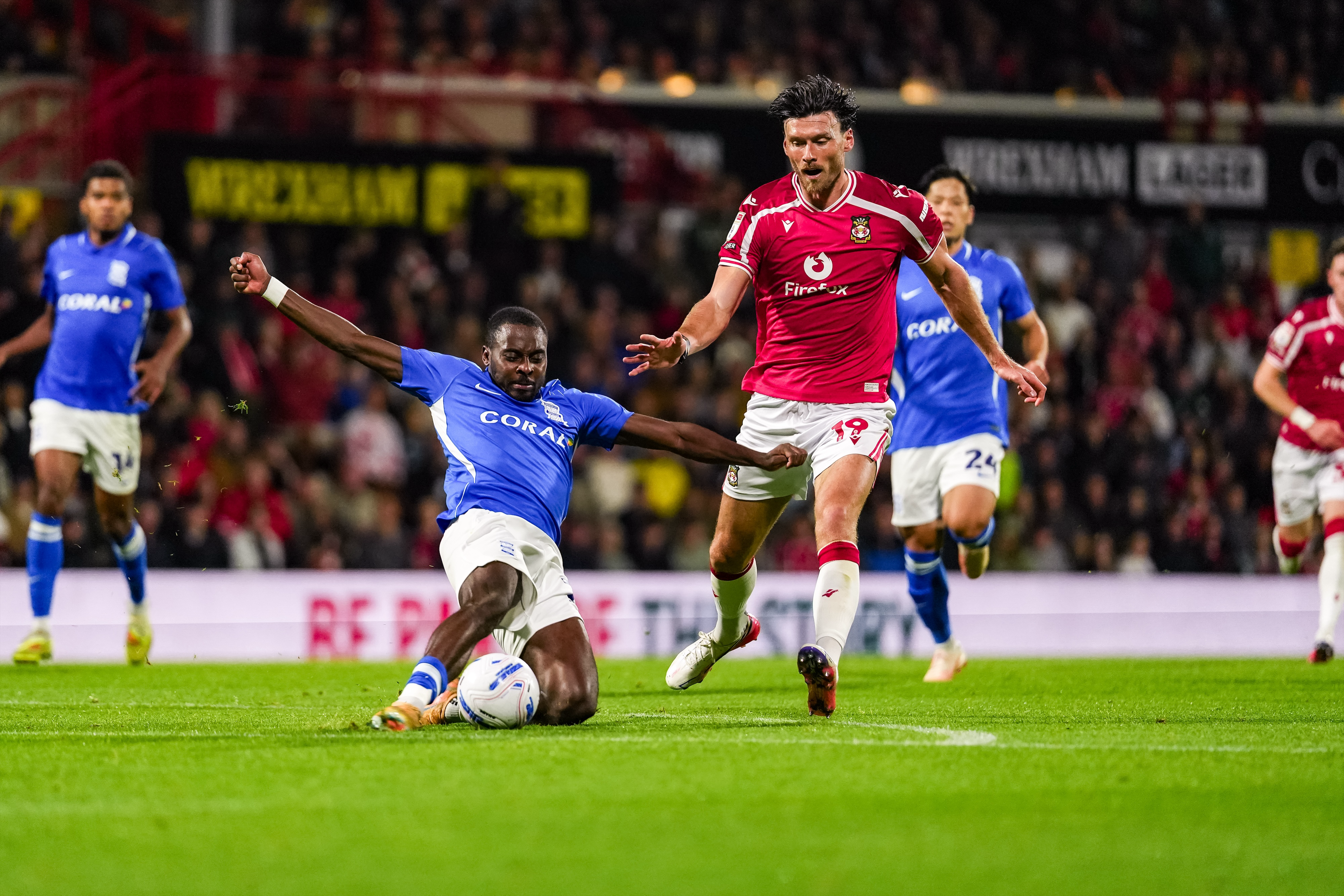
If they’d released the hand brake a little they might have got a winner: as it was, a goalless draw at Bramall Lane was a good start to the season after the issues they’d had on the road last term.
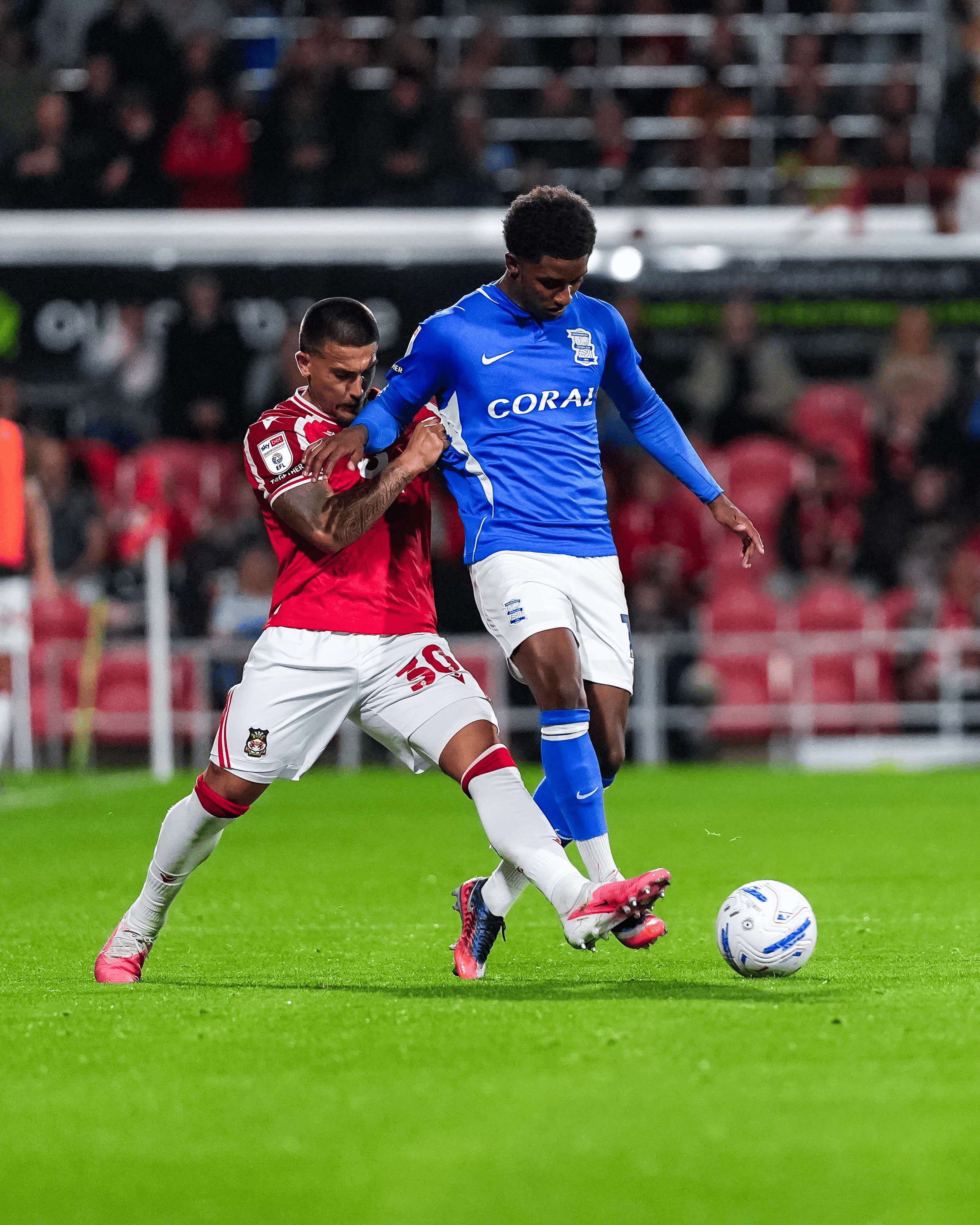
They carried on in the same manner at The Racecourse. Their wide strikers tracked our wing-backs diligently, denying them the scope to influence our forward play.
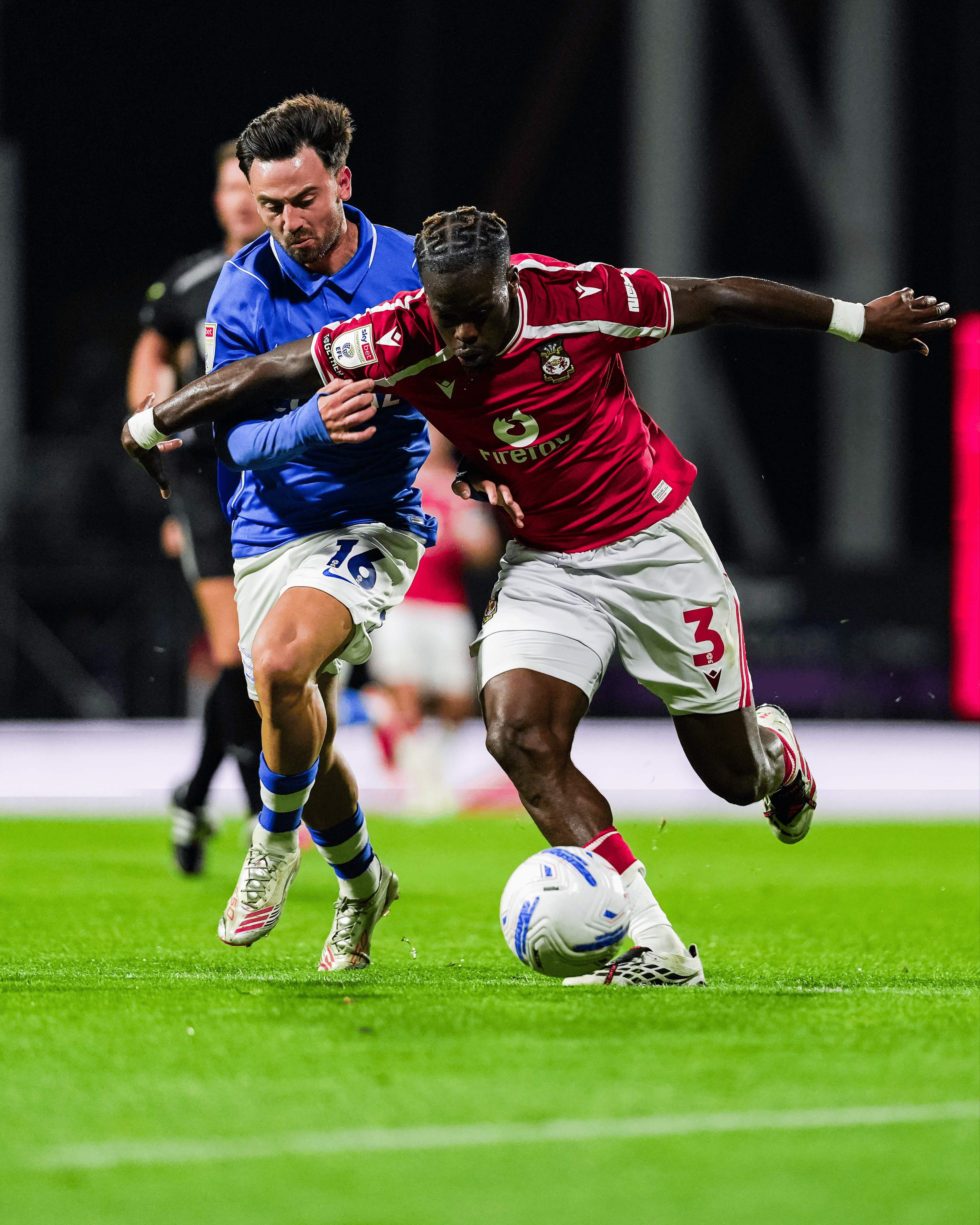
In the middle of the pitch their energy and structure meant we struggled to find space. We’ve looked good in pre-season and the first three games of the season when we’ve passed the ball through the opposition press; against Birmingham we managed it just once, finding Danny Imray in an advanced position only for him to be denied by a good stop from Beadle.
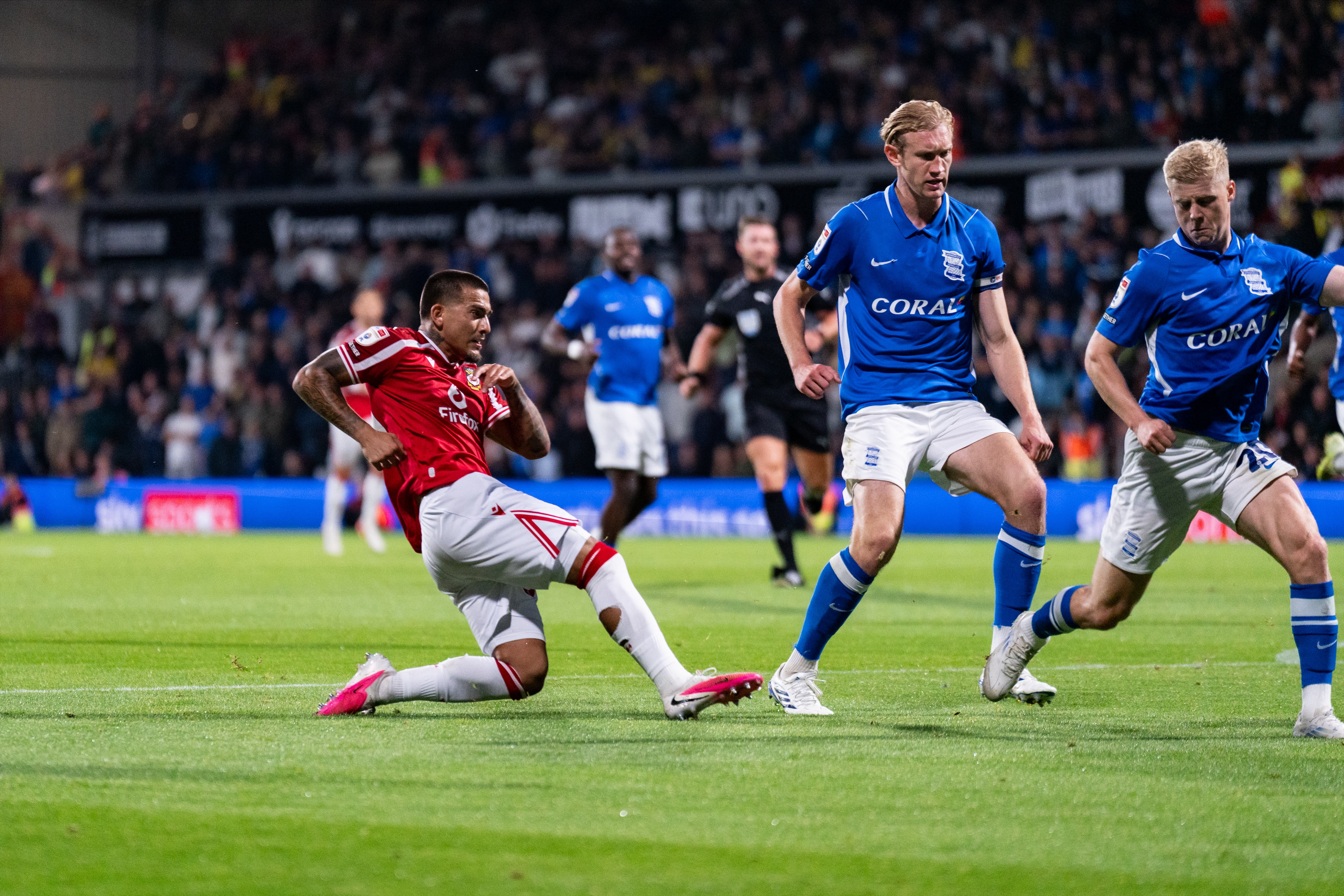
At the back their German centre backs Cristoph Klarer and Phil Neumann were outstanding, aided by the problems we had passing out for the back which meant we increasingly looked to hit an isolated Moore with long balls, something we haven’t had to resort to much since the Summer. From Birmingham’s perspective, it was a perfect storm.
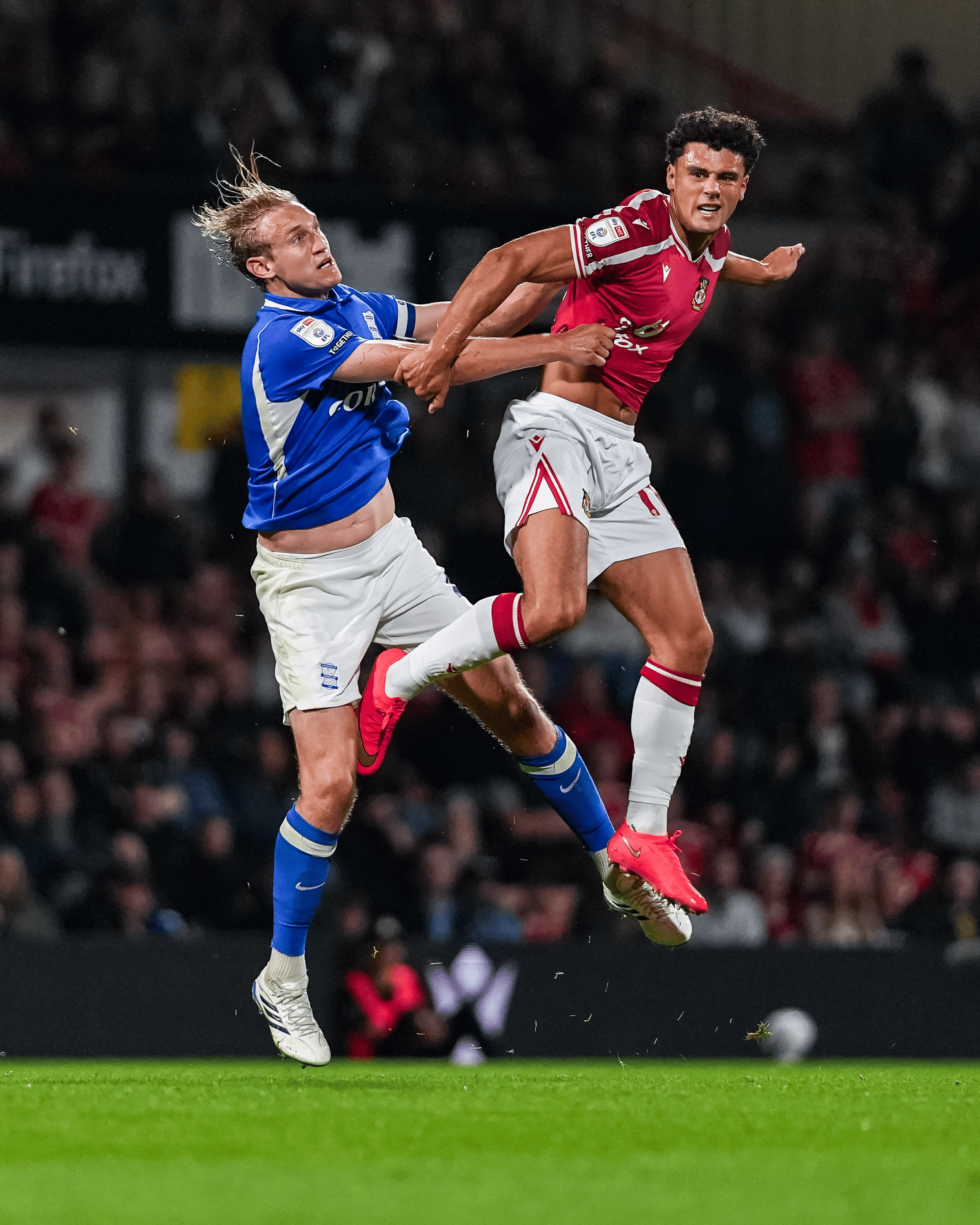
Sometimes you just have to hold up your hands and accept that the opposition got things right. We let ourselves down but it was Birmingham’s organisation that made us look substandard, not some deep-rooted failing on our part.
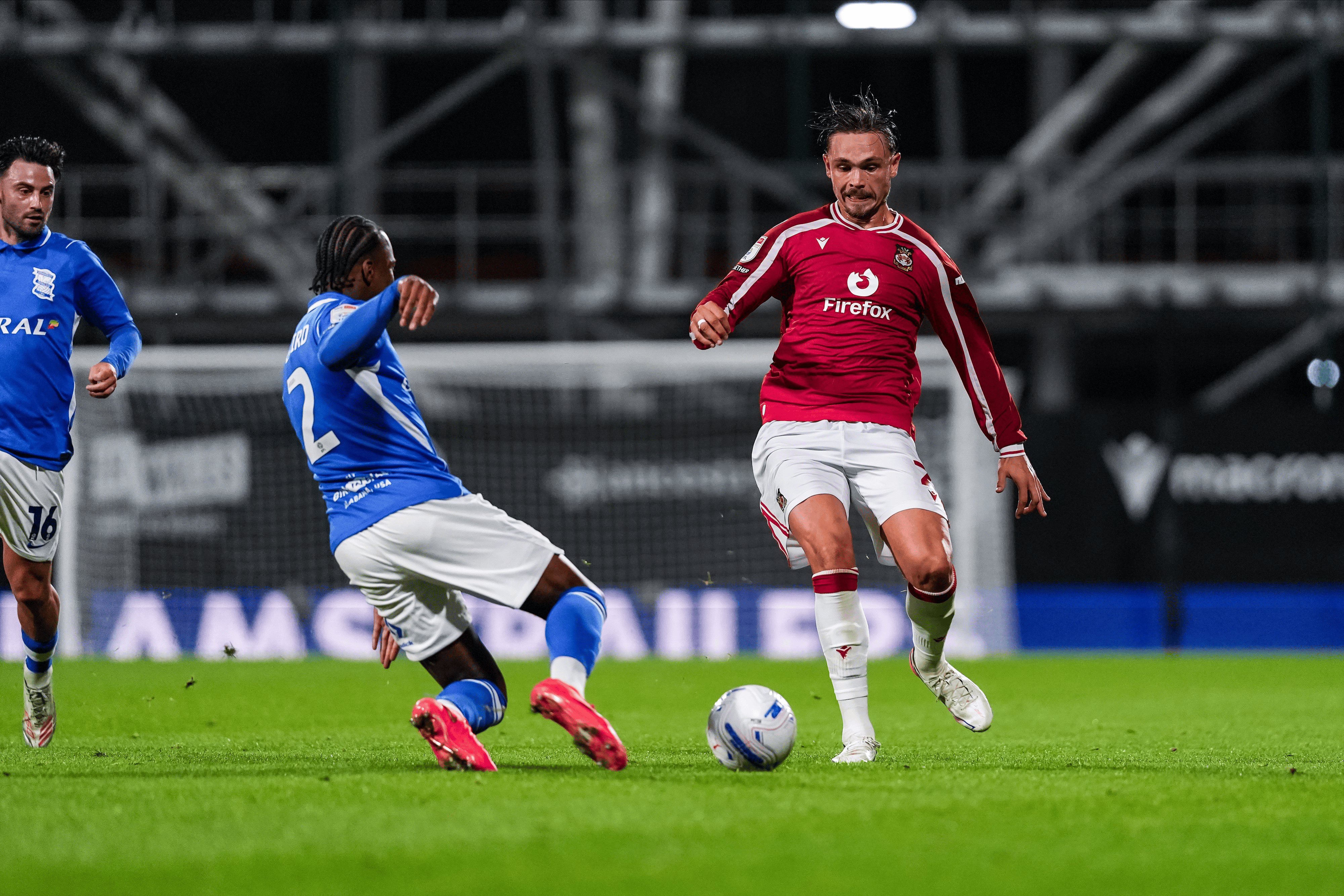
We had to make sure we didn’t allow a repeat at Millwall.
We didn’t.
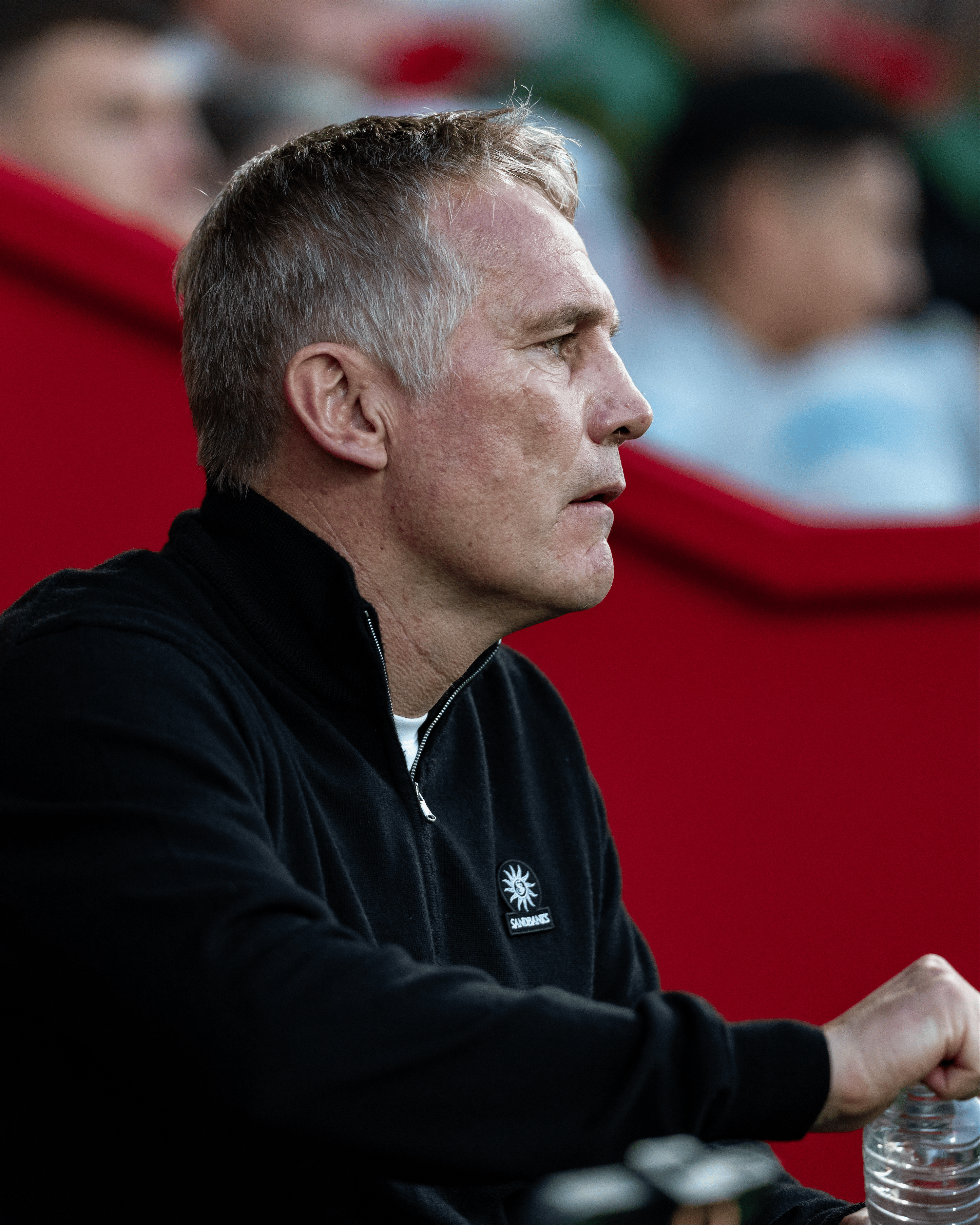
The clickbait around Parkinson, suggesting he was “under pressure” was a joke but also inevitable in an era where reality matters less than spite.
The reaction to that nonsense came both on and off the pitch.
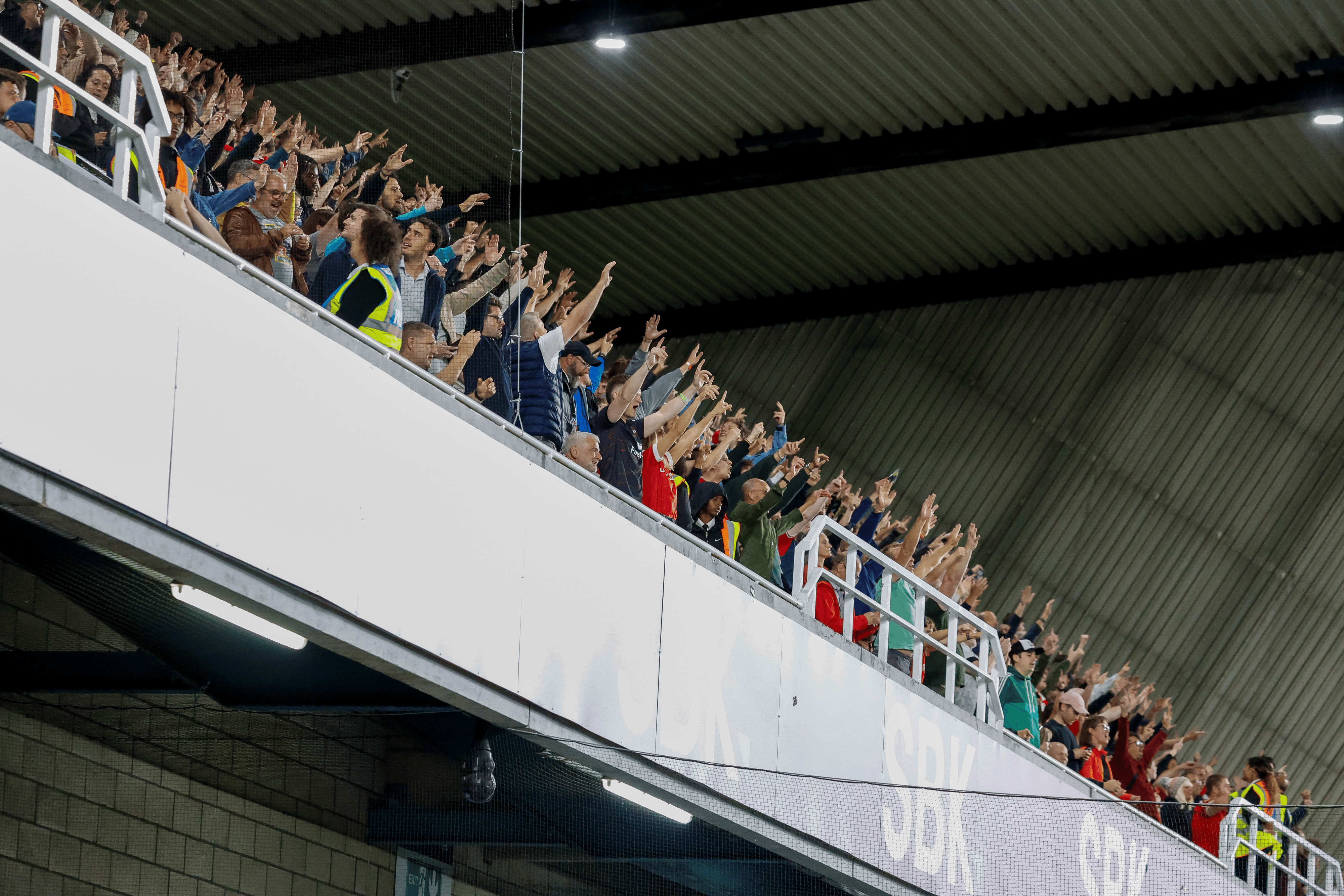
The fans who made the long midweek journey to London to accompany the admirable London Reds and the international contingent were unequivocal in their support for Parkinson, pointedly chanting his name in response to the artificial noise that surrounds the club but doesn’t infiltrate it.
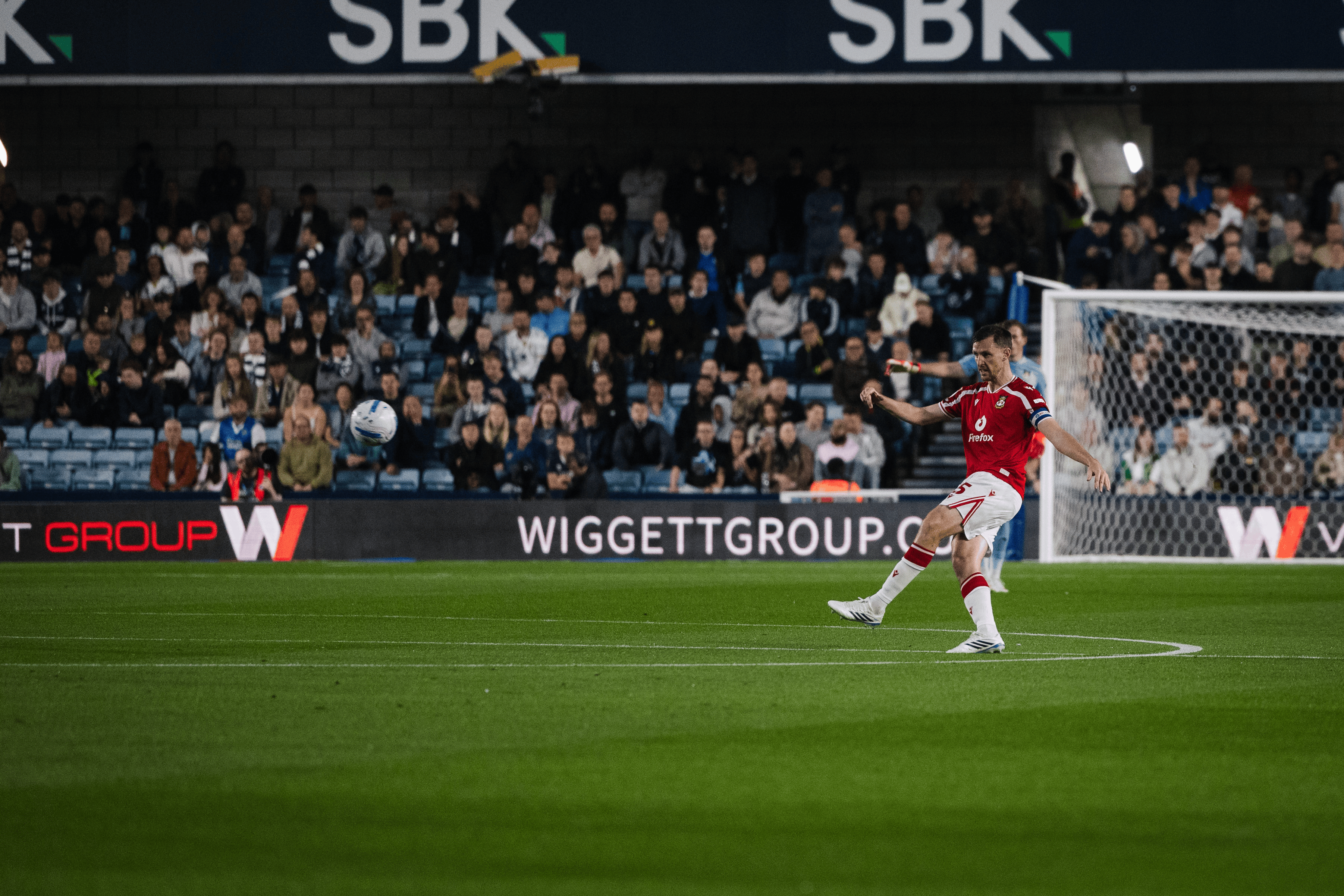
On the pitch, Wrexham’s players turned in a performance of character and quality.
Make no mistake: Millwall are a quality side who will play their part in the promotion battle. A 5-1 loss at Southampton, followed up by this 3-0 home defeat, make them look like a club in crisis. I suppose they are, but it’s a short term issue. The injuries they’re contending against are ludicrous, and they were dropping like flies once more at The Den. There were consequences: they selected three at the back, more to ensure Alex Neil didn’t have to scratch to deep below the surface of his squad and start youngsters than anything else. It worked pretty well in the first half, but this was where Wrexham’s character kicked in.
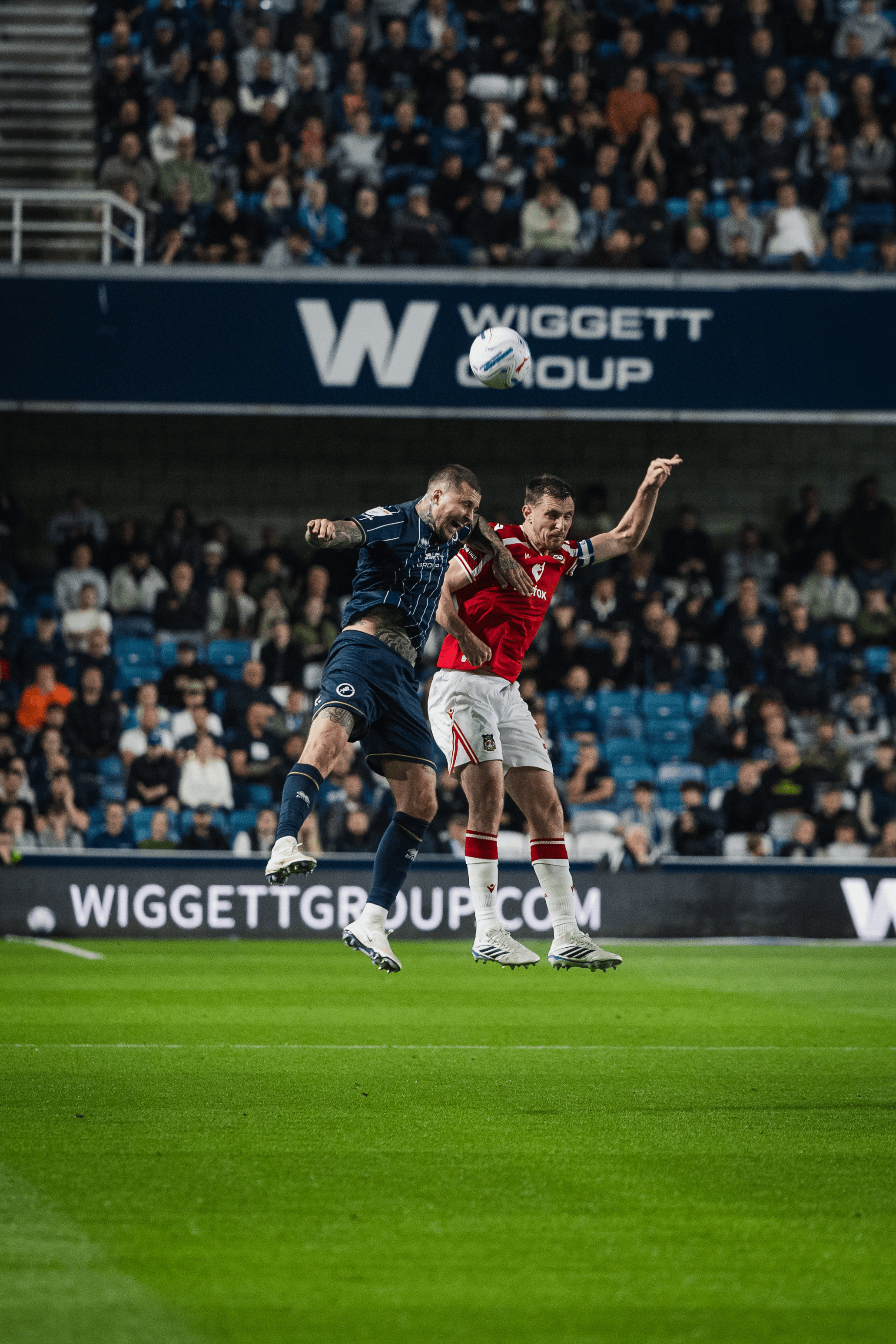
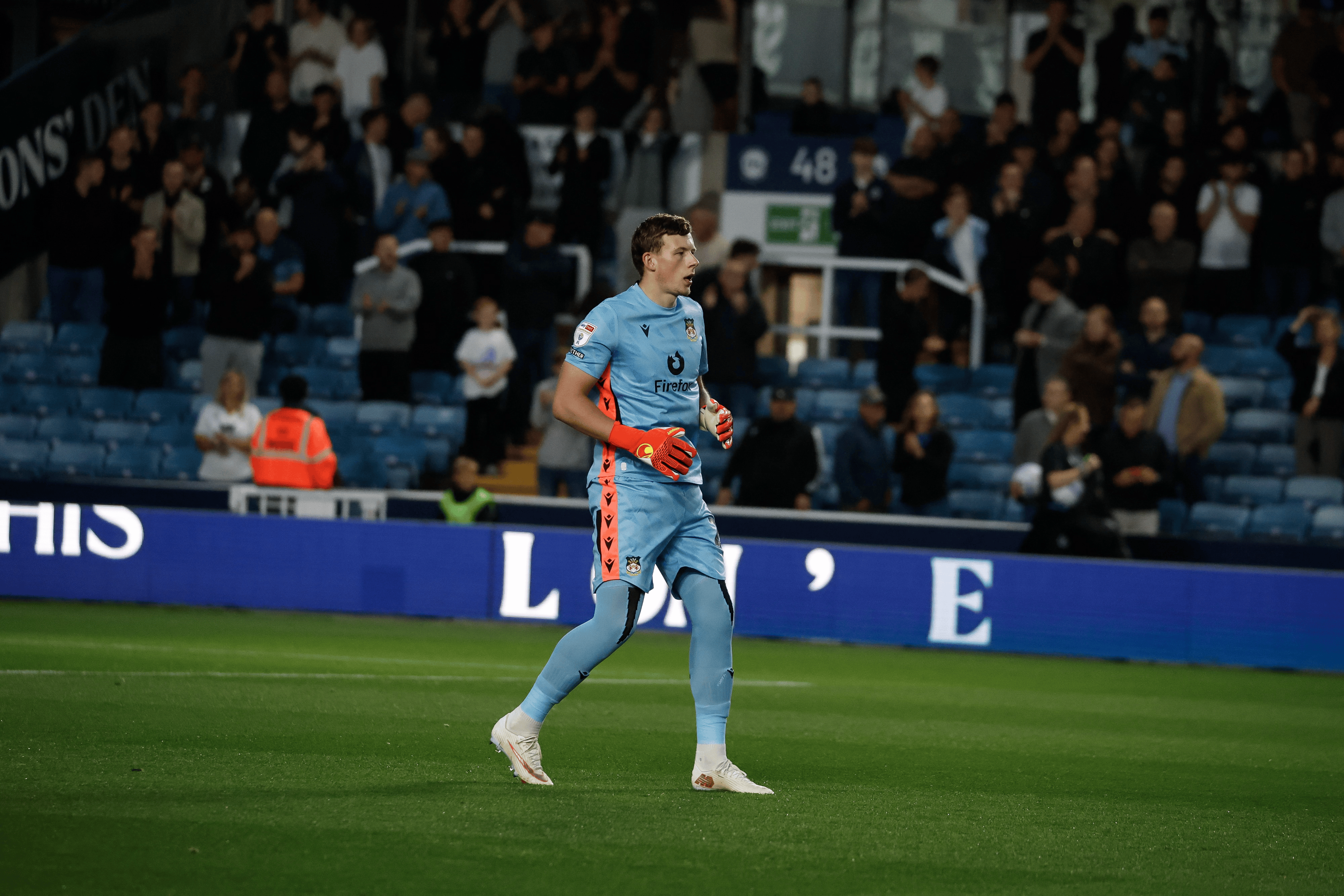
After defending set pieces poorly last weekend, we were the opposite this time. Neil must surely have looked at the chances Birmingham carved out when deciding he’d pick three giant centre backs and two target men of similar size and facility in the air. However, we didn’t gve them a sniff. The only real chance the home side carved out was when their right wing-back mark Sykes popped up on the right side of the box but pulled his finish well wide of the far post. They created nothing from corners, with Wrexham’s defence consistently getting first contact. All Anthony Patterson had to do to keep his first Wrexham clean sheet was catch a cross and brush off the boos from the fans who loved him last season when he was on loan at The Den!
Step forward Max Cleworth. His first start of the season was magnificent. He hasn’t got too many minutes under his belt, having been carrying an injury in pre-season, but he looked more than ready for the challenge. Fans have been fretting over his absence but here he was, reassuring them that he wasn’t out of favour. Instead, Parkinson was biding his time, waiting for the point where he could utilise him. Even in the context of a terrific Wrexham career so far, this was surely one of his finest performances.
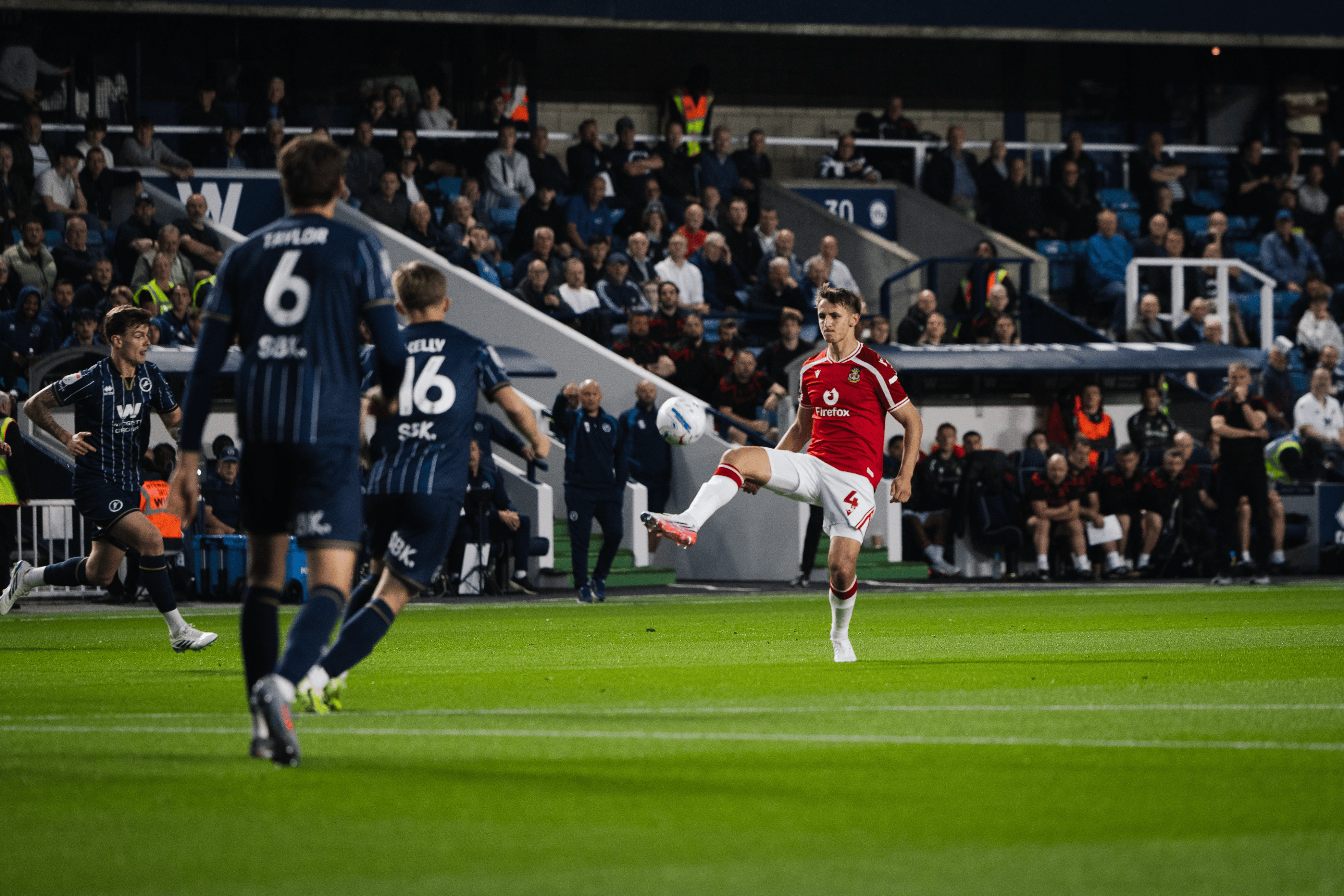
The entire defence was excellent, with Dom Hyam handling the dual threat of Lyndon Dykes and Josh Coburn and Callum Doyle typically forceful and forward thinking alongside another assured defensive performance.
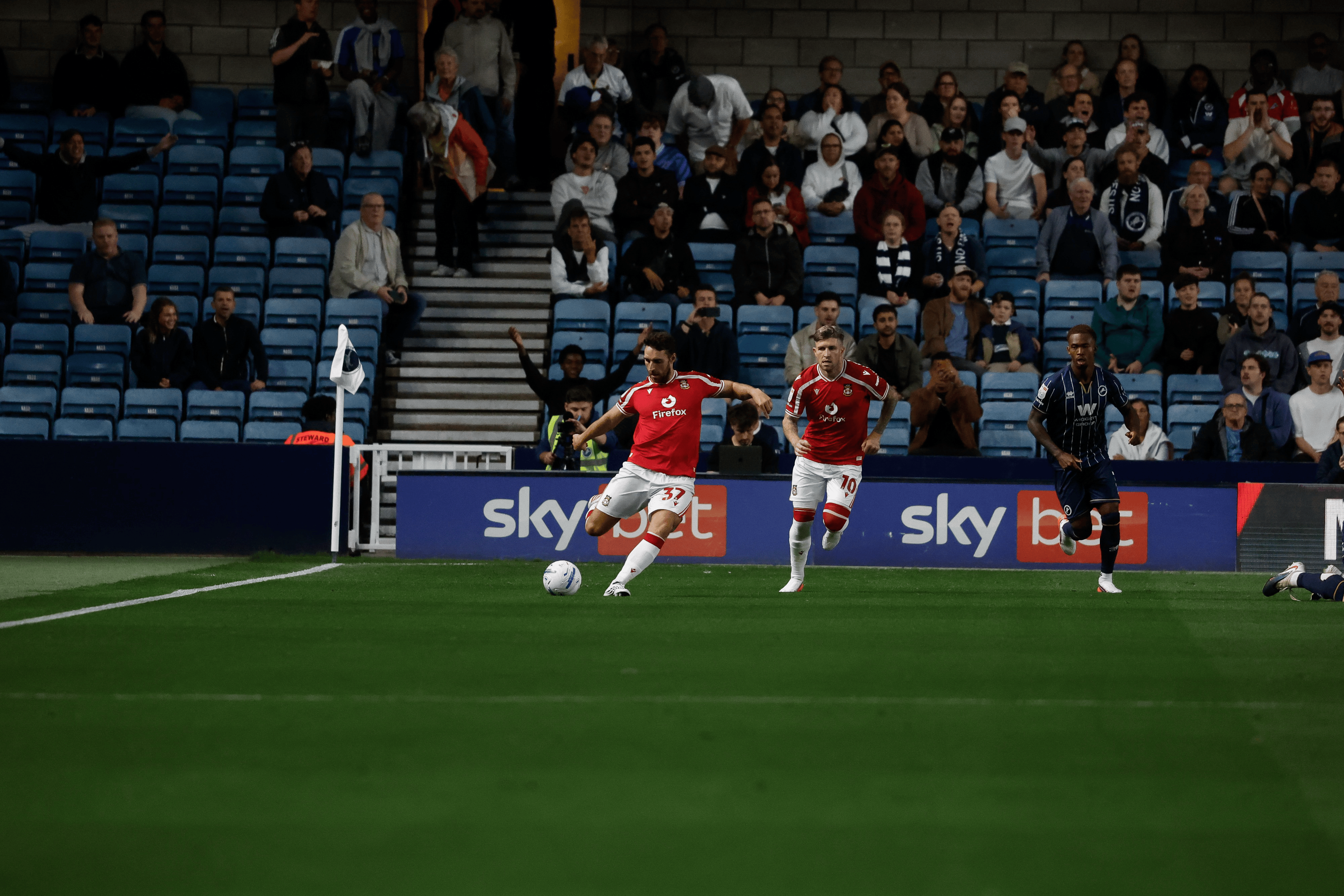
In front of them, we finally saw the double pivot of Matty James and Ben Whiteman starting together, and it lived up to expectations. This looked like a basis from which you could build a promotion push: two experienced technicians who read the game well, snap into tackles and keep the ball moving. Indeed, with them directing play we seemed to hit that delicious sweet spot where there are enough technical players on the pitch who are singing from the same hymn sheet. I relish the memory of Glen Little coming on for his cameos off the bench under Andy Morrell and the other players lining up to bounce the ball off him as his superior technique and positioning made him a joy to play with. Millwall felt like the culmination of a process Parkinson has been developing for a while: a well-grooved team which is packed with players like that, enjoying their swift one-touch interactions as they slice through the opposition. Look back at the move which teed up Issa Kabore for his goal/cross for evidence.
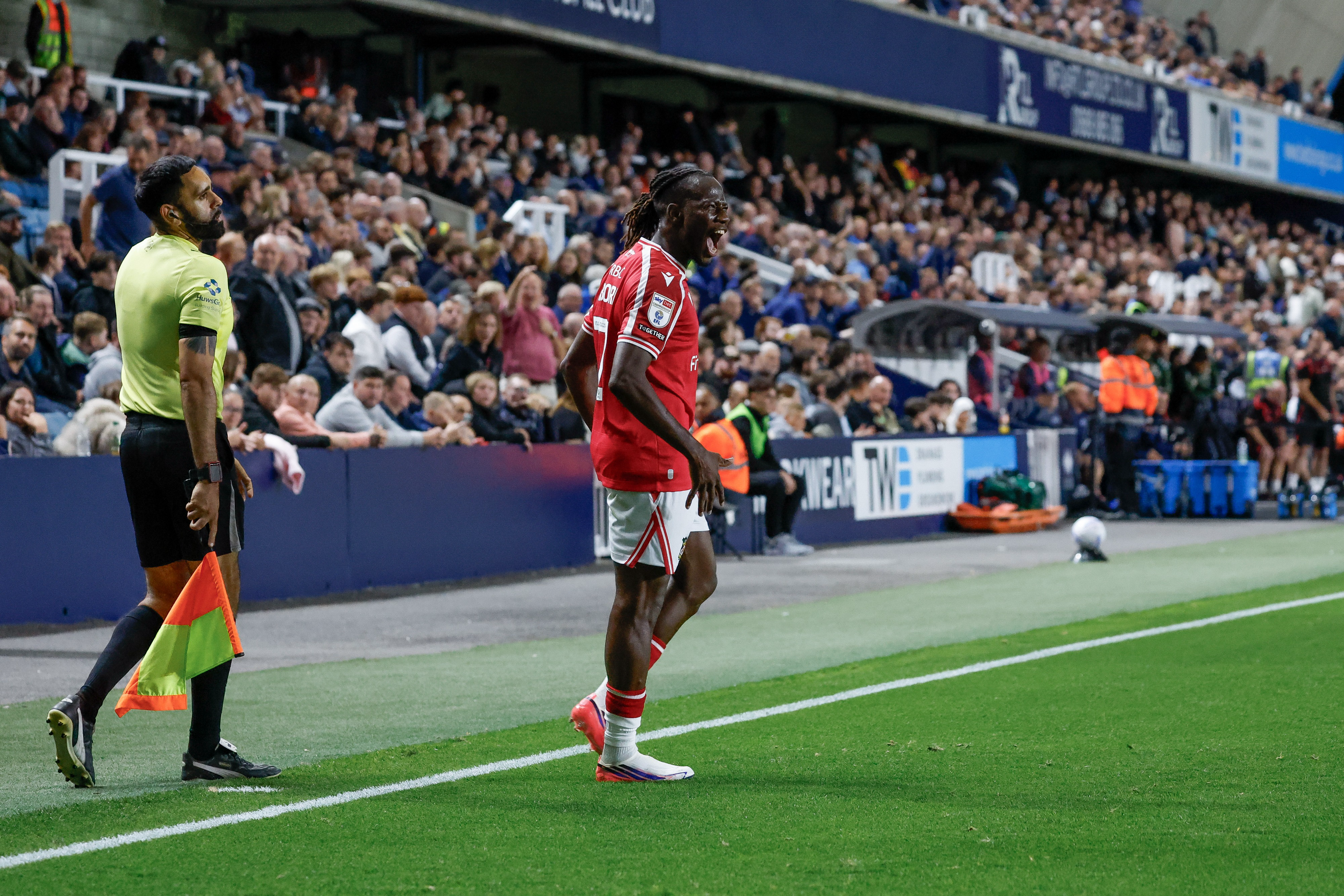
And mentioning Kabore brings me to one of the most exciting elements of our performance. On the flanks, Kabore and Jacques Ekomie were engaged in individual battles with a pair of high quality wong-backs, and both triumphed. The thrust they offered was wonderful – Ekomie has real quality on the ball, and Kabore is relishing the movement around him and seeming to already be making better decisions in terms of when to attack space and when to release the ball.
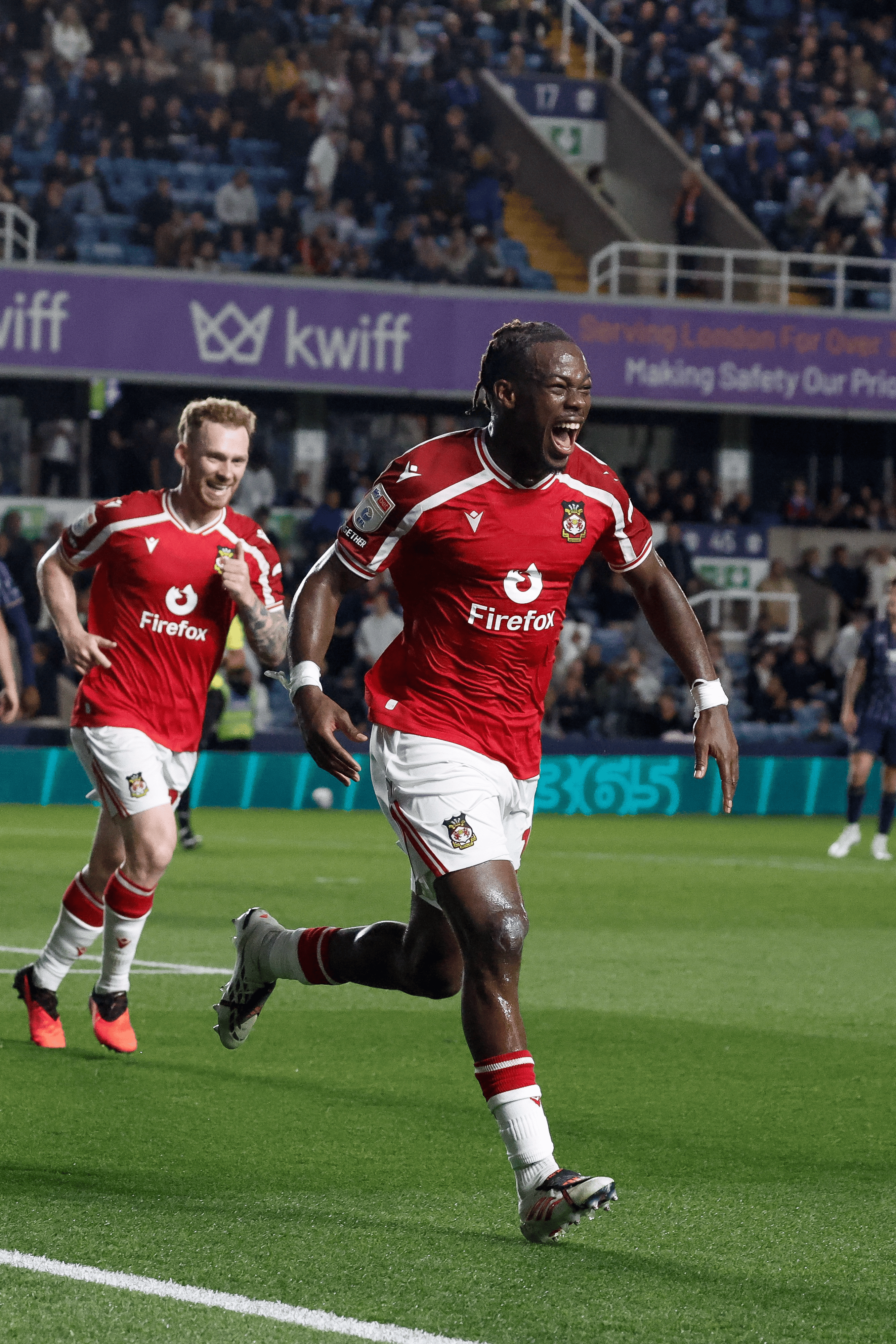
He doesn’t just have to rely on the relationship he has built up with Josh Windass to bring him into play, but the striker’s return to the side has certainly added another dimension to our play. His vision and technique are superlative, of course, and despite the clamour for us to bring in more strikers in the last week, he is an obvious solution to the lack of ruthlessness which led to us playing well but not registering a win in the games leading up to the Birmingham match.
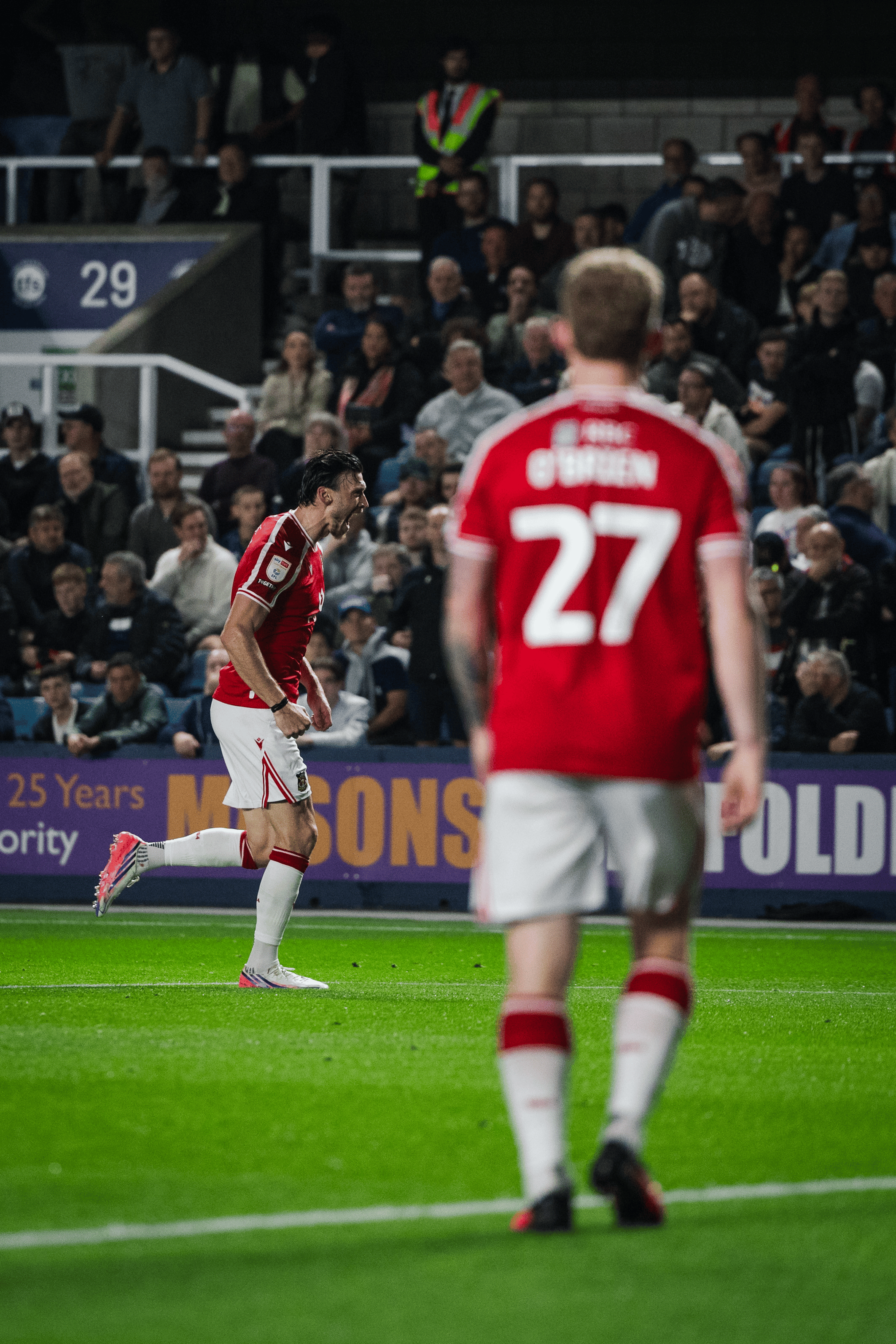
And then we come to Kieffer Moore. He went to battle with three defensive giants and emerged with their severed heads swinging from his belt (sorry – I watched “House of the Dragon” before writing this, so I’ve got a prediliction for the graphically melodramatic). However, part of his victory is the thing we all know but the rest of the football world seem unable to understand: a huge bloke can also be more than a big target up front. He constantly dragged the defenders around, getting down the left side of them or dropping deep to link play. His pass to Kabore for the first goal was perfect, as was his finish when Windass did the same to tee up the second. Some idiot will have muttered something about having good feet for a big man at that point.
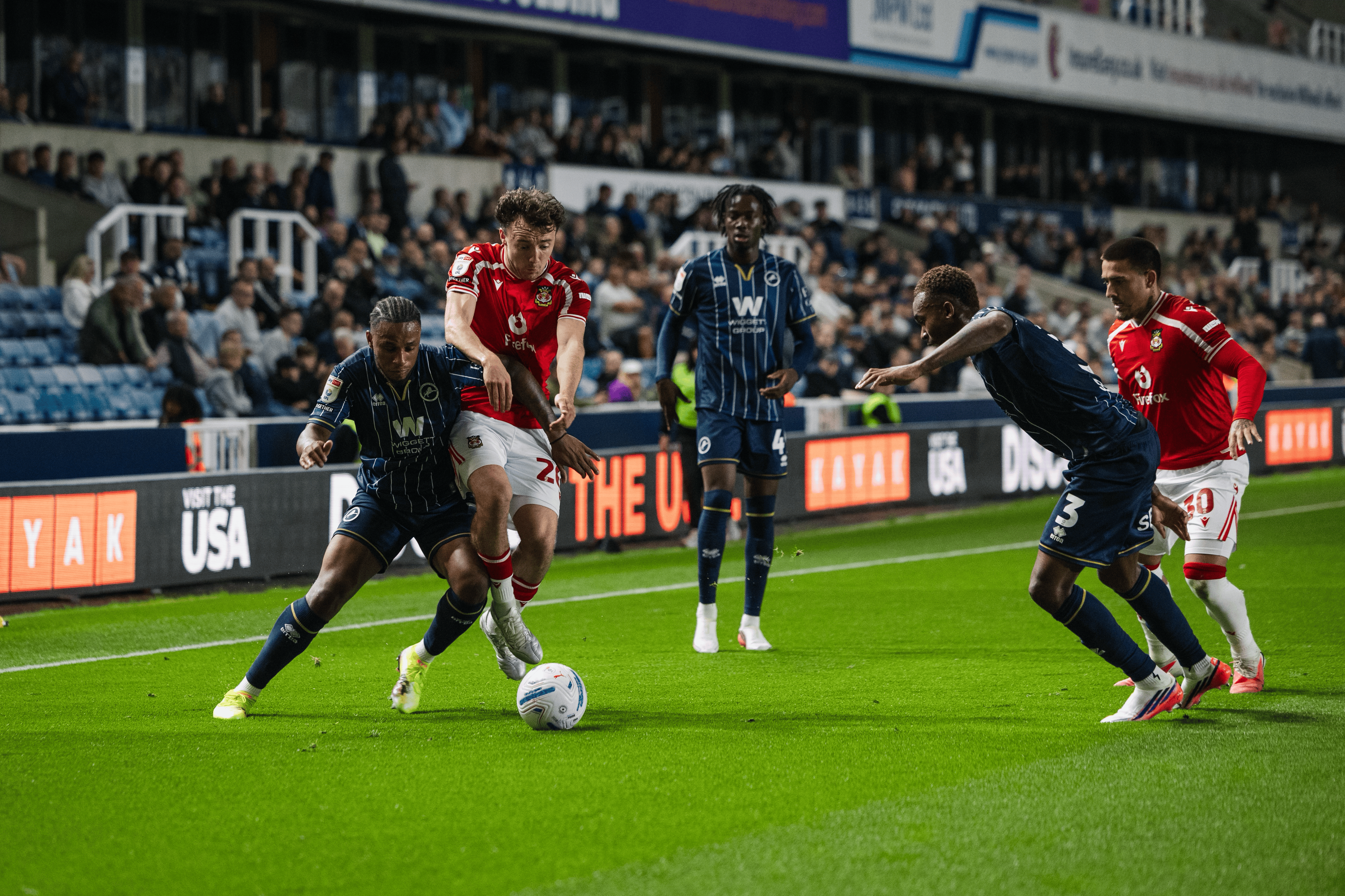
It all added up to the easiest conclusion to a game you could imagine. Neil spoke after the defeat at Southampton of reaching a point where his bedraggled side had to withdraw to protect themselves and avoid a series thrashing. The same happened here, and with a punishing schedule ahead of us, we were happy to take our foot off the pedal too. It led to the amusing sight of our substitutes looking to grab Parkinson’s attention while the rest of the team were soft-pedalling. One incident summed that up as Imray and Ollie Rathbone buzzed brilliantly around by the corner flag, forcing a turnover and driving into the box. Of course, it was the other substitutes who were up there offering them options – and the magnificent Lewis O’Brien, who once more put in a full ninety minutes of ludicrous energy and enthusiasm, not to mention quality. The outcome was a blocked shot by him and a saved rebound from Ryan Longman, the only incident of any note in the final 20 minutes.
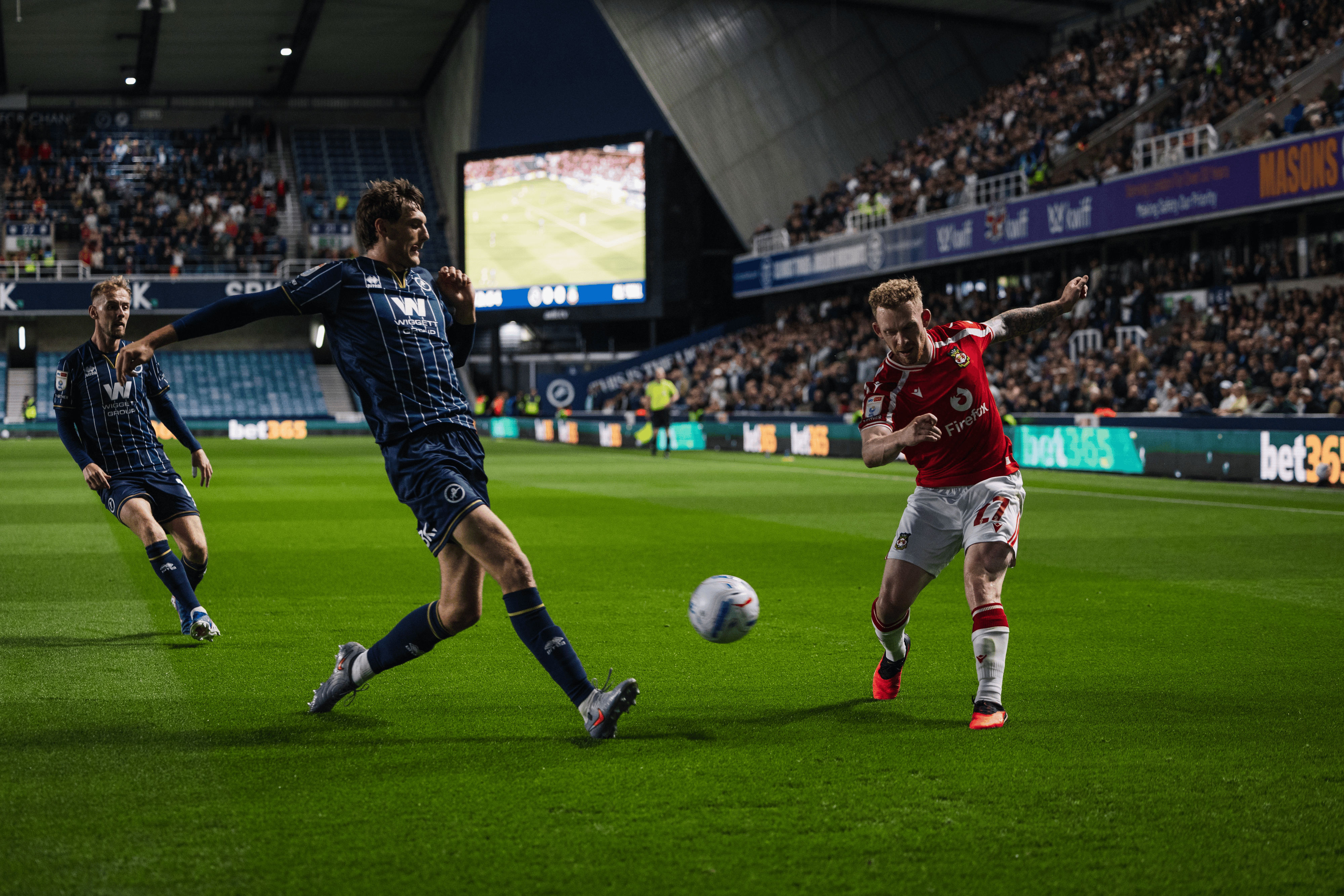
The second half saw all this good work come to fruition. People talk about quietening a ferocous home crowd: that really doesn’t tend to happen at Millwall, but it did this time. Full credit to their fans: they simply acknowledged the reality of the situation. A lot of them left, and I assumed that those who remained did so to boo their team off the pitch. Absolutely not. Millwall’s support has a grim reputation, of course, but it’s a travesty. They are a superb football club, supported by true football fans who get what goes on, both on and off the pitch. A more passionately committed, loyal support you will not find.

However, their reputation has sadly been hijacked by idiots who jump onto and perpetuate the image of them as the ultimate hooligan club. Again, let’s be realistic – that is the truth of the matter, and wearing your club colours around the ground is something to be very wary of. However, that’s a reflection of the sort of morons who think violence is a pastime time, not a crime. The club, and its actual fans, do not deserve such despicable behaviour to be associated with them, and it galls them constantly. Once again, we come back to the desire to reduce society to simple stereotypes, although The Lions have had to put up with all this nonsense since long before the word clickbait was coined.
The Millwall fans’ reaction to the game in the second half illustrated perfectly what good fans they were. Like I said, those supporters who stayed behind didn’t boo. They saw what was going on, understood that this wasn’t a performance to be angry about but a tipping point where injuries hit too deep to cope with. Their muted applause at the final whistle was funerial in the sense that it was respectful: they stayed to acknowledge a team which has already offered them a couple of brilliant performances last month, confirming that what was seen as over-achievement last season was actually the fruition of excellent coaching and recruitment. If we finish above them , we will have improved on last season, I assure you.
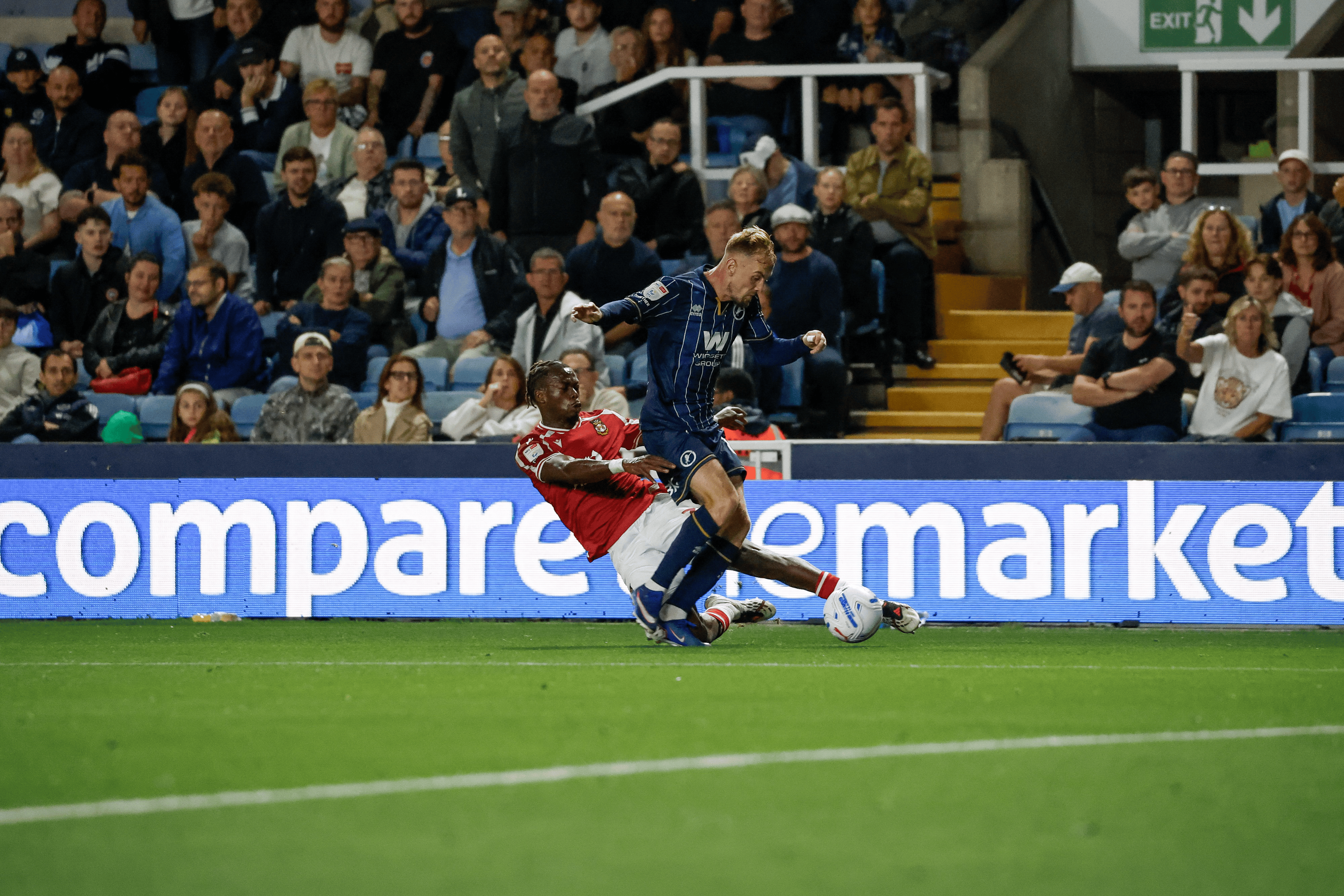
As for those who left early, no doubt some of them were the fools who support a reputation rather than a football club, and whose loyalty is therefore skin-deep. However, I’m sure a greater number of those who made for the exits were merely making sure they left rather than risk losing their temper at a side which didn’t deserve such a reaction.
So, despite being so early in the season, this looked like a big week for Wrexham. We bounced back admirably and got a first win to silence the silly chatter around a manager who has plenty of credit in the bank. As Alan Partridge would put it, Birmingham threw a duck in the works, but we responded by getting all our spanners in a row.



Leave a Reply