
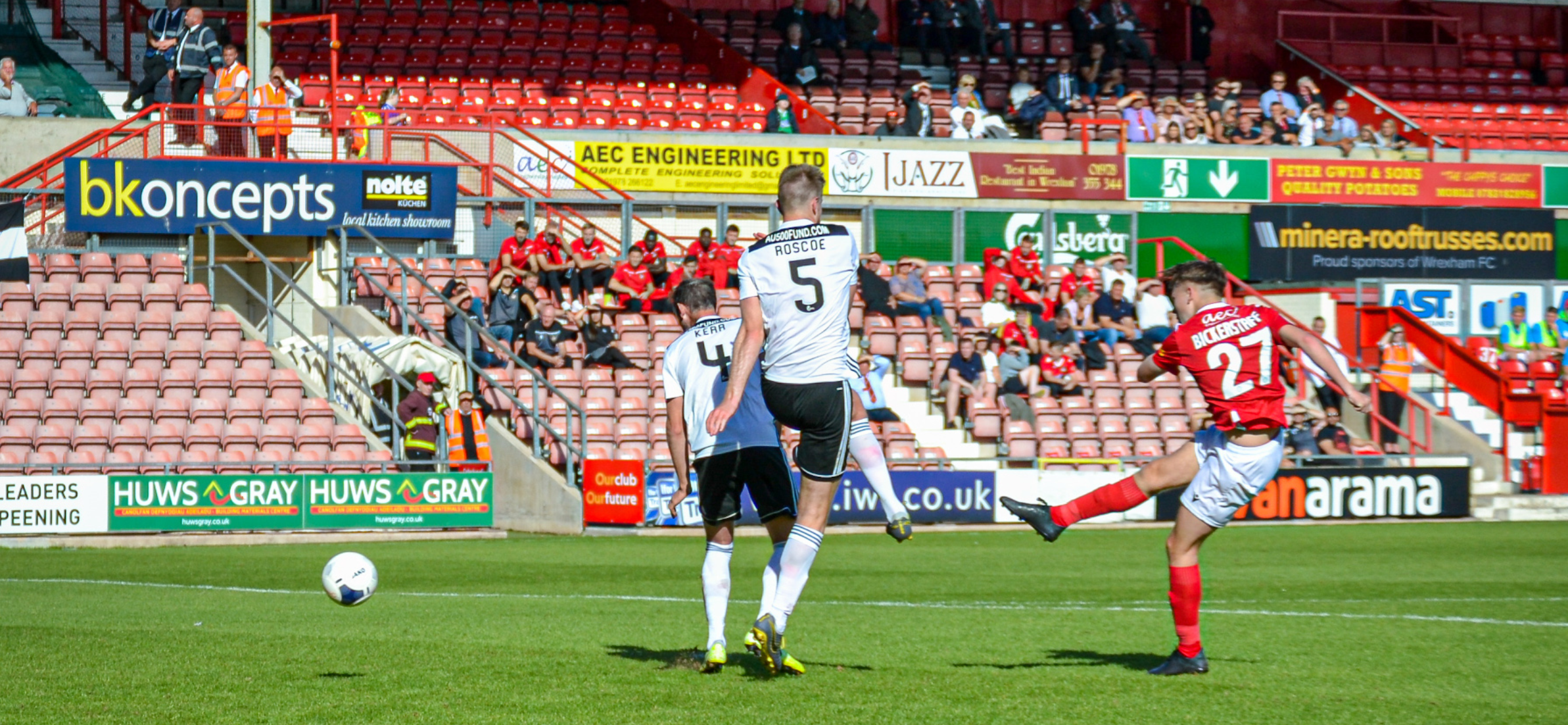
I got a pleasant rush of nostalgia when the plans for our youth development system’s growth were announced.
Our reputation as cup fighters, the underdogs that can achieve the most remarkable of upsets, is probably the most pronounced of our club’s characteristics, but of similar value is the success we’ve had in bringing talent through.
Many of our greatest sides had a foundation built from players we’d nurtured.


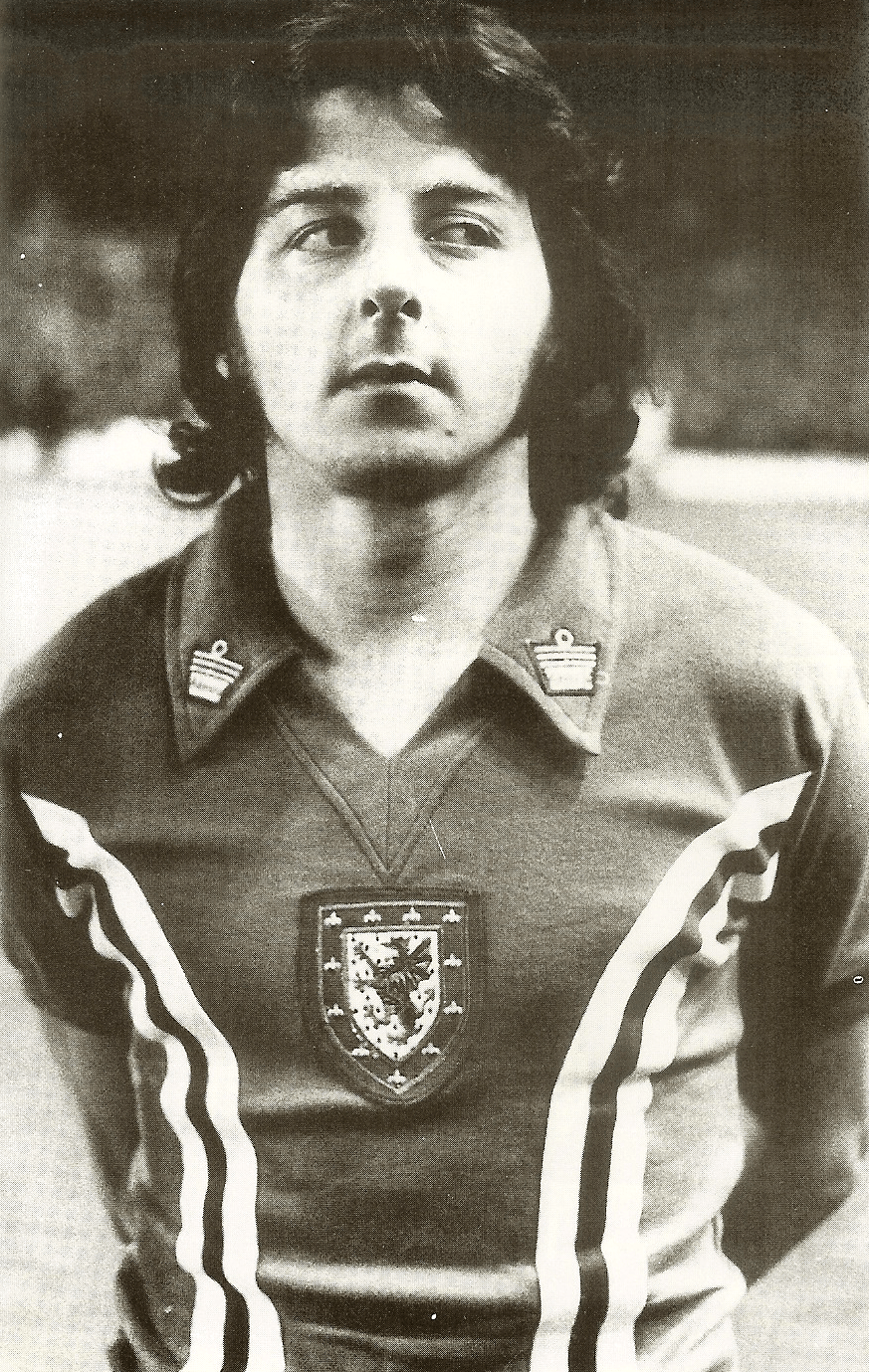
The great 1970s sides featured the likes of Mickey Thomas (below) , Joey Jones, Gareth Davies, Dave Smallman and Micky Evans, who would all represent Wales
Two decades later Brian Flynn brought through another terrific generation of talent: Gareth Owen, Phil Hardy, Bryan Hughes, Steve Watkin, Kieran Durkan and Jonathan Cross (below) are all, to some extent, written into the club’s history.

When Denis Smith’s side went up in 2003, Steve Roberts, Shaun Pejic, Steve Thomas (below) , Lee Jones and Paul Whitfield all played a significant role.

One of the harsh consequences of our financial and ownership issues, coupled with relegation from the EFL, has been the difficulty in maintaining the youth set-up. That we’ve had any success at all is a consequence of the quality of coaching staff we’ve had at our disposal: the likes of Steve Cooper, Steve Weaver and Mark Morris have all done great work before moving on to bigger things, and Dan Nolan has done a superb job to maintain standards and bring through a number of first team prospects.
Now we’re in a position, thanks to all that hard work, to profit by investing in an improved youth set up.
Humphrey Ker mentioned, in the announcement of our application for academy status, that local players like Neco Williams, Harry Wilson and Tom Lawrence didn’t sign for Wrexham, at least in part, because we didn’t have the facilities to compete with the likes of Liverpool when they showed an interest.
That’s a tale which echoes down the ages: the likes of Ian Rush, Mark Hughes, Michael Owen, Danny Murphy and Peter Davenport were all linked with us as youth players, but none of them came through our youth set-up.
Indeed, the story goes that Davenport was put off signing for us by the terrifyingly ramshackle nature of our training facilities: the club was in financial distress at the time, and the youth team trained on the car park at The Racecourse!
What a pity the student accommodation wasn’t there then, or our youngsters could have broken a few windows in revenge for losing a chunk of our property!
Furthermore, our recent history is littered with players who have made terrific early steps with our academy, and then been poached by clubs from higher up the food chain.
Cian Williams, for example. At the age of 16 he made his Wrexham debut, coming off the bench against Ayr United in that mad season when we were forced into playing in the Scottish equivalent of the EFL Trophy.

That made him the second-youngest player to appear for us in our long history, and also the youngest to be intentionally fielded: the record holder, Ken Roberts (above), travelled with the team to do odd jobs and ended up playing when a first team player picked up an injury before kick-off!
Clearly a talent, Williams would make no further appearances for us as he was whisked away by Swansea.
Sometimes youth players return, like Jordan Davies or Jordan Evans (below), but more often it’s a case of what might have been: Danny Ward and Jonny Smith fit neatly into that category.

I’m not saying that we’d be able to fend such offers off as a result of obtaining academy status. Indeed, one of the criticisms of the EPPP when it was introduced was that it contained a table of set fees for compensation, should another club in the system want to sign a youth player.
Furthermore, Category 1 clubs would be able to watch a youth player training at the academy, as long as they give 48 hours notice.
Some EFL clubs refused to enter the system as they felt these regulations essentially baked an advantage for the top clubs into the arrangement: they would be able to cherry pick the best talent from smaller clubs at their convenience, for paltry fees.
However, the alternative – going to a tribunal to fix a compensation fee – doesn’t tend to yield better results, and it’s a no-brainer for Wrexham to go down this route.
We might not be able to deter clubs from coming after the next Cian Williams, or set a prohibitive fee for his services. However, we will be able to present, with better facilities and an enhanced set-up, a strong case for staying put to the player.
Gone are the days of showing young players the car park and trying to convince them that our great youth facilities will help to propel them to stardom!






Leave a Reply