

Wrexham fans have come to expect a lot from the club since it was revolutionised by the takeover, and there have been complaints lately when it’s felt expectations haven’t been met. However, this week brought a pleasing example of us getting things right.
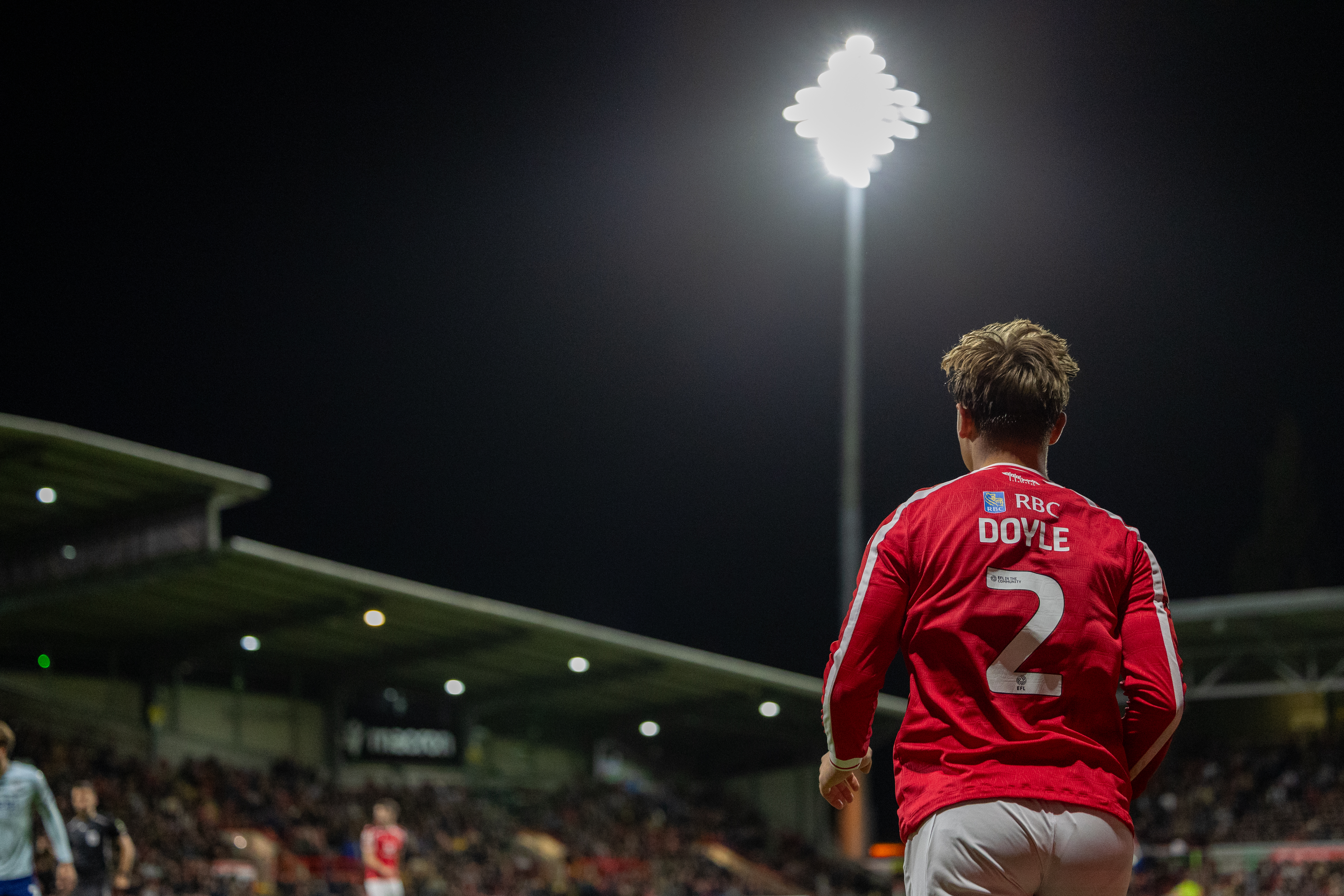
The kit launch last Tuesday was later than last season, when it burst into view from the back of an Ifor Williams trailer and straight onto TikTok. That it has come out already, and that we’ve already nearly sold out our first batch of our away kit, shows that we’ve bucked the trend when it comes to replica shirts.


While the nightmare of COVID is still around, the world seems to have settled into a rhythm of living with it rather than going into lockdown. Business is beginning to return to normal, but the effects of the pandemic still persist.
The problem with such recovery, of course, is that as British business tries to return to normality, we are beginning to see the opening consequences of Brexit.
Take the situation at Dover last week. The queues, for both freight and holiday-makers, were horrendous as we all know. The extra bureaucracy introduced by our departure from the EU, added to other contributory factors, tipped the balance over the edge, and as a result the port could barely function.
The combination of Brexit and global logistical issues, with the extra problems created by Russia’s invasion of Ukraine, has made this Summer a disastrous perfect storm for British business.
This has hit kit supply hard. The Premier League took the unprecedented step of publishing their handbook for the season without some of the clubs’ kit in it, because they hadn’t been delivered yet. Fulham and Brentford, at the time of writing, had yet to reveal some or all of next season’s uniform.
Sheffield United, Derby County and Shrewsbury Town, to name just three clubs, have been wearing temporary kit for their pre-season friendlies because the new season’s designs haven’t been delivered yet.
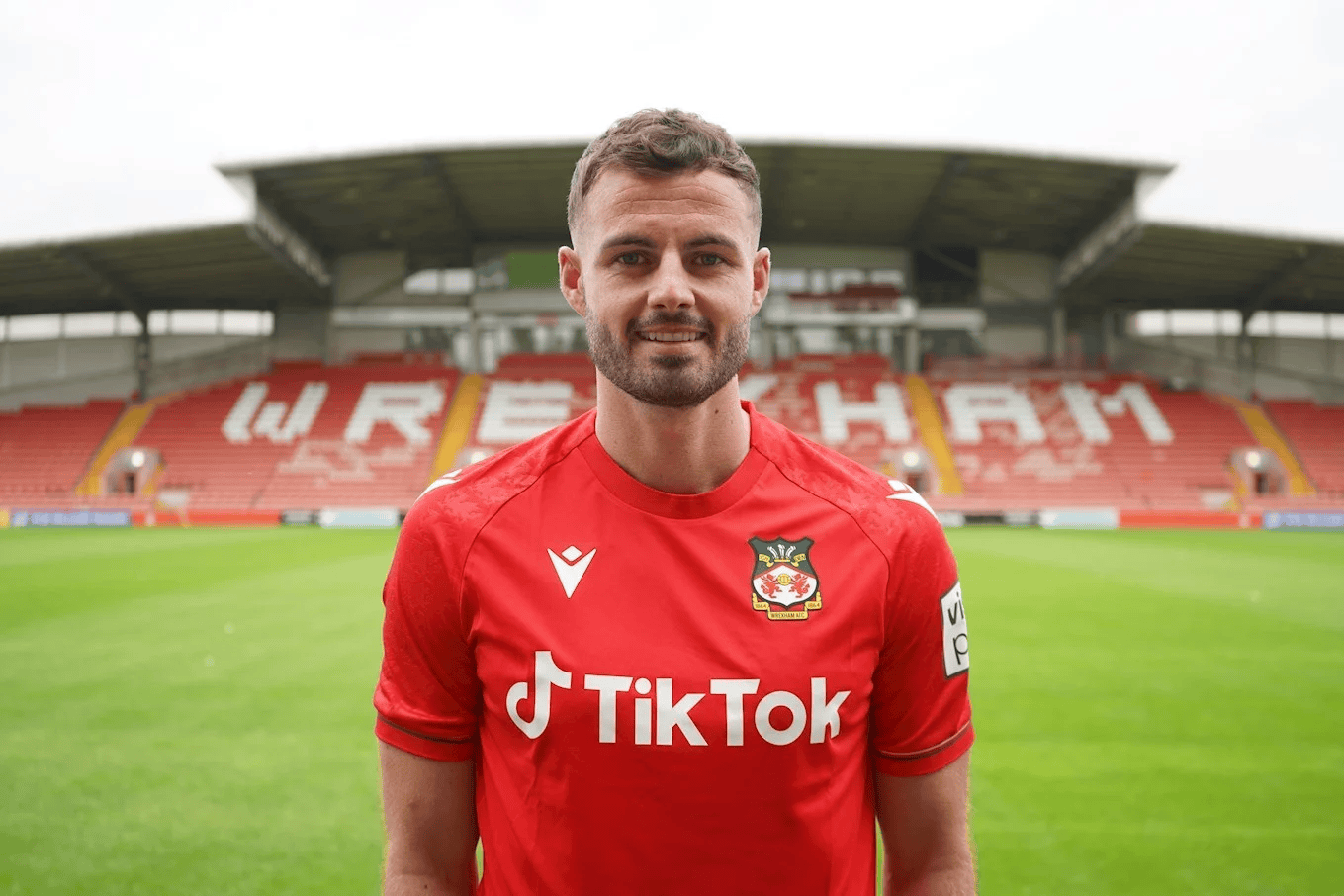
That isn’t an unusual situation for Wrexham in recent years, of course, but the reasons were quite different. Before we all became stars on Disney Plus, we were at the bottom of the kit manufacturers’ pile, and got kitted out when all their higher priorities had been satisfied.
To be fair to our current manufacturers, Macron, that state of affairs began to change when they got involved, and a more local approach came into play.
Also, we often found that our options in terms of kit were limited by our financial difficulties. We began the 2011-12 season with no away kit, as such matters were a low priority for our owners, who’d failed to pay a bond to ensure our participation in the league that season a week before.
Thus, we travelled to Lincoln for a televised game needing an emergency outfit, and ended up grabbing some generic green kit from our manufacturers, Puma, and getting some fast work done with a hot iron to make sure the appropriate names, logos and sponsors were on it in time for the evening kick-off.

Of course, that game illustrated the glorious ability of footballers to cast away off-field concerns and pay back the fans, who had paid off that bond themselves. We made light of our terrible financial problems, won spectacularly and went to the top of the table, despite looking like a knock-off Plymouth Argyle!
What has been happening this season, with the exception of Derby, is not just caused by clubs being low down the food chain or in terrible debt though.
Instead, the long process of making a football kit at an economical price has been hamstrung by circumstances.
A vast majority of kits are made in East Asia, and even if they aren’t, it’s still likely that part of it will come from there. For example, the trim and badge are made of different materials to the shirts, and are often manufactured separately.
China and Vietnam are the world’s biggest polyester manufacturing countries, and both were in much longer lockdowns than us. China only emerged from their most recent shut-down about five weeks ago.
As kit needs to be made well in advance, partly because it tends to be transported by sea to avoid extortionate air freight costs, such interruptions to the process can have a massive impact.
Of course, it then has to get through the post-Brexit customs backlog to get into the UK.
We did get caught up in all this last season, as Humphrey Ker explained, when a tranche of our kit was left stranded in China because they had a shortage of pallets. It doesn’t matter who your owners are: even Deadpool can’t help China’s economy when it grinds to a halt.
Likewise, pallets of special edition Aviation Gin, destined for our club shop, were stuck in the Netherlands as the new import system creaked and groaned.
Some clubs, like Middlesbrough and Portsmouth, have unveiled a shirt but there’s no date for when they’ll be available to buy.
Sheffield United hope to unveil both their home and away kits on the day of their first game of the season.
That’s why we’ve done so well to get our kit sorted and on the shelves a fortnight before the start of the season. It’s not just the problem of having to improvise on the opening day (I wonder how many National League clubs are planning something temporary for August 6th?), but also the failure to fulfil responsibilities to sponsors, and lose out on a rush of sales when the kit is launched.
The commercial boost from fans getting a shirt for their Summer holiday, or to wear at the opening game, is gone if you don’t get it delivered to you until October.
Apart from the examples mentioned above, some Premier League clubs are experiencing erratically unpredictable deliveries. Leeds United have voiced their frustration at Adidas’ failure to provide enough kit for retail purposes, while stable-mates Manchester United are well catered for.
Yes, we have celebrity owners. Yes, the fact that we have unveiled and sold our kit does not mean we’re immune to supply issues as the season goes on. However, a fifth tier club getting things sorted while Premier League sides scramble around is a pleasing off-pitch victory.
There’s a lot more detail on this subject in this excellent piece from “The Athletic”


Leave a Reply